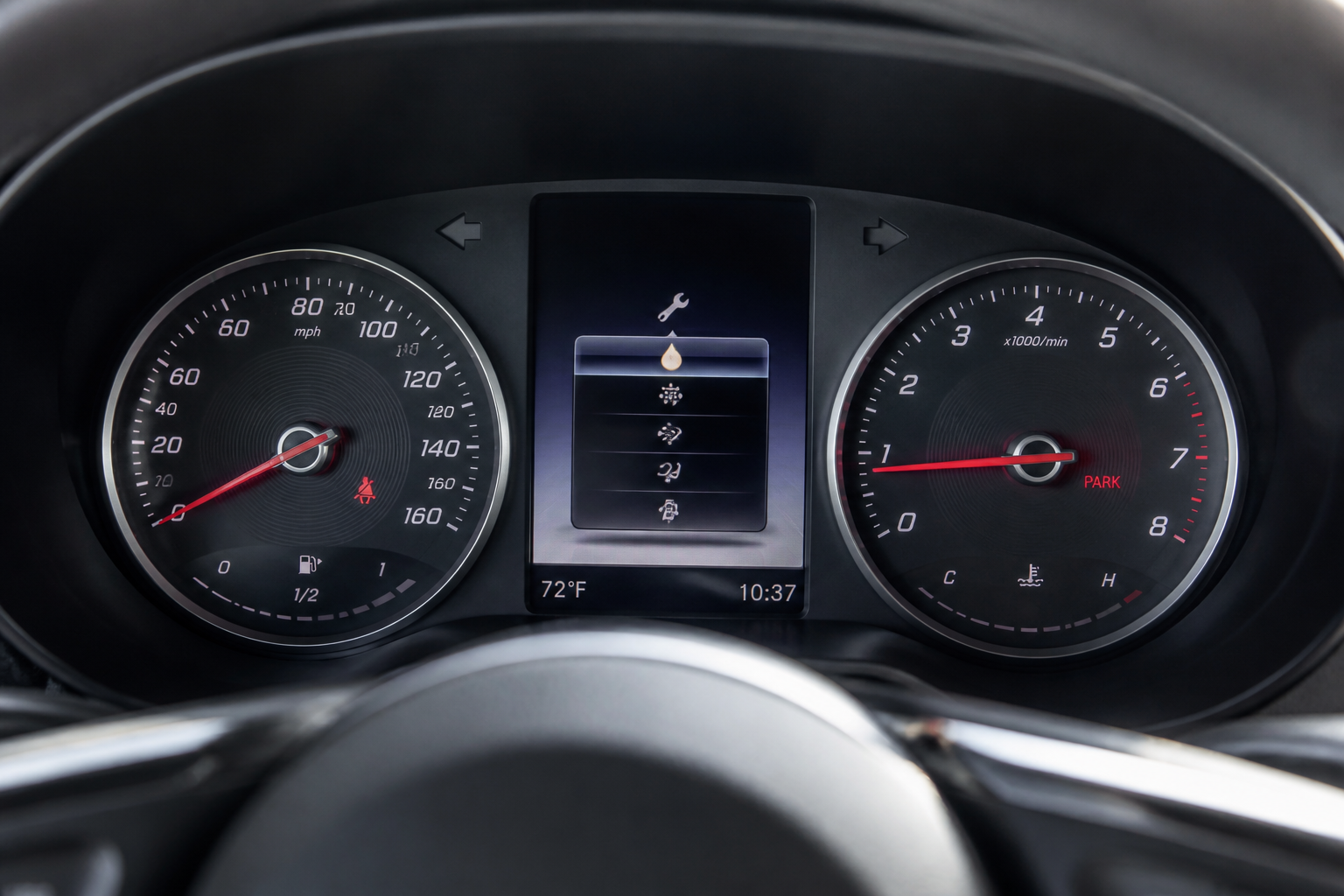
Translate the ASSYST maintenance reminders into a practical ownership calendar by mapping Service A (around 10,000 miles or ~1 year) and Service B (around 20,000 miles or ~2 years) as your core cadence. Distinguish cabin filter and brake-fluid work added in Service B, especially for non-EV models, and verify EV-specific maintenance guidance from the official Mercedes-Benz pages. Use these reminders to forecast costs, group annual maintenance where appropriate, and budget for recurring basics plus occasional upgrades.
Key takeaways
- Service A ≈ 10,000 miles or 1 year; Service B ≈ 20,000 miles or 2 years.
- Service B adds cabin air-filter replacement and brake-fluid exchange.
- EV maintenance differs from A/B on petrol models; verify model-specific guidance.
- ASSYST Plus helps track remaining time/distance to next service.
- Budget by separating core maintenance from optional/extra items and plan for future visits.
Understanding Mercedes-Benz maintenance planning is about translating the car’s service reminders into a practical calendar you can actually use. This article expands on reading ASSYST/ASSYST Plus reminders, distinguishing core factory work from optional items, and estimating future costs to craft a realistic ownership plan. We anchor guidance in the standard Service A and Service B cadence and, where relevant, explain how electric vehicles (EVs) diverge from internal-combustion models. The goal is to give readers a method to convert reminders into a concrete maintenance calendar and a credible budget.
What Mercedes-Benz maintenance reminders actually indicate
Mercedes-Benz uses the ASSYST Plus maintenance system to forecast service needs by tracking either time-based or distance-based thresholds. The dash display shows the next due item and whether it is framed as a mileage (distance) or time (months) reminder. This is not a rigid appointment; it is a rolling forecast that accounts for your driving style, climate, and regional conditions. In practice, most combustion-engine vehicles follow a conventional pattern: Service A at roughly 10,000 miles or about one year, followed by Service B at about 20,000 miles or two years. However, these are baseline guidelines; your actual due date can move earlier or later depending on driving patterns, engine wear, and environmental factors such as frequent short trips or extreme temperatures.
EV maintenance schedules diverge from the traditional A/B framework and focus more on battery health, high-voltage system diagnostics, software updates, and thermal management. Always verify the exact sequence for your model in the owner’s manual or via the official Mercedes-Benz maintenance tools. For quick reference, official guidance and explanations can be found on the Mercedes-Benz USA service page and independent summaries that describe common intervals and items typically addressed at each milestone.
Service A vs. Service B: what gets done and why it matters
Service A is the initial baseline maintenance event. It typically includes engine oil and filter replacement, basic fluid checks, tire-pressure monitoring and adjustment, brake inspection, and a reset of maintenance counters. This set of tasks is designed to refresh the vehicle’s lubrication, monitor key systems, and confirm readiness for continued operation. Service B expands the scope with additional items that address cabin air quality and braking-system maintenance, such as cabin dust/combination-filter replacement and a brake-fluid change. The distinction helps owners budget for recurring maintenance without conflating routine oil service with more substantial interventions.
When EVs are involved, the maintenance list changes further. Electric propulsion reduces the frequency of some engine-centric tasks but introduces checks unique to high-voltage systems, battery management software, cooling circuits, and electrical safety. In all cases, verify the specific items for your vehicle in the official documentation, since the baseline A/B items can be supplemented or restructured by model-specific needs and regional regulations.
Interpreting the ASSYST/ASSYST Plus readout: practical tips
- Identify whether the reminder is mileage-based or time-based and consider how your typical driving mix (city vs. highway, climate, and trip length) affects the actual due date.
- Use the onboard ASSYST Plus display to view the remaining distance or time to the next service; align these figures with your calendar rather than forcing a fixed date.
- Keep a simple record of completed items and upcoming needs. A personal log helps you compare dealer quotes against the factory baseline and track cost trends over time.
From reminders to a practical maintenance calendar
Converting reminders into a practical calendar starts with the baseline cadence and then factors in your vehicle’s specific usage. The common framework—Service A around 10,000 miles/1 year, Service B around 20,000 miles/2 years—produces a rhythm you can plan around. From there, you can group or space maintenance visits to match your budget and local conditions, while ensuring essential items are not deferred too far beyond their recommended windows.
Step-by-step approach to build a calendar:
- Record your current odometer reading and the next due estimate from the ASSYST/ASSYST Plus readout.
- Project the next several milestones using the A/B cadence, adjusting for EV-specific needs if applicable and for driving patterns common in your region (e.g., frequent cold starts, heavy-stop city driving, or high-mileage highway use).
- Compile a cost forecast by listing core services (oil and filter, inspections, fluid checks) and potential extras (cabin filter, brake fluid, wiper blades, alignment if needed).
- Plan major servicing at anticipated interval milestones (for example, 30k/40k miles) based on your model’s typical schedule and any regional advisories.
Estimating ownership costs around service reminders
A realistic budget separates core maintenance from optional or dealer-added items. The baseline (Service A) generally covers oil and filter changes, fluid checks, tire-pressure corrections, brake inspections, and maintenance-counter resets. Service B adds items like cabin-air-filter replacement and brake-fluid exchange. EV maintenance differs and often emphasizes software health, battery conditioning notices, and high-voltage system health checks. Use independent references, such as Kelley Blue Book’s maintenance schedules, to corroborate the typical 10k/20k-mile cadence and to understand what tends to recur at 30k and 40k miles across a broad range of model years.
Practical budgeting strategies:
- Set aside funds for the recurring A/B services and include a buffer for items that commonly accompany the B service (cabin filter, brake-fluid replacement, wiper blades, and potential tire services).
- Use ASSYST/ASSYST Plus reminders to avoid missing due dates and to identify quote differences early when evaluating dealer versus independent shop options.
- Ask service providers for a clear breakdown that separates core maintenance from optional items and model-specific additions so you can compare apples to apples.
Real-world scenarios: planning ahead
Scenario 1: You’re approaching 10,000 miles or 12 months. Expect Service A, covering oil and filter changes, inspections, and baseline checks.
Scenario 2: You’re nearing 20,000 miles or two years. Expect Service B, which includes cabin air-filter replacement and brake-fluid exchange, plus the usual checks. If you observe elevated brake-pedal feel or unusual cabin air quality, address these cues promptly as they may indicate it is time for the additional items included in Service B.
Scenario 3: You’ve moved to an EV. Confirm EV-specific maintenance intervals and items with your vehicle’s owner’s manual or official Mercedes-Benz energy platform, since the cadence can differ from internal-combustion models and may emphasize software updates, battery diagnostics, and system checks rather than traditional oil services.
Limitations and model-dependent caveats
Maintenance reminders are guidance, not a warranty of a fault-free operation. Real-world factors such as climate, fuel quality, driving style, and road conditions can shift due dates. Prices for parts and labor vary by region, dealership, and whether work is performed by a dealer or independent shop. EV-specific maintenance may have a different cadence and set of required tasks depending on the vehicle’s software version, battery chemistry, and regional regulatory requirements. Always refer to the vehicle’s current owner’s manual and the official Mercedes-Benz service portal for the most accurate, model-specific information.
Practical takeaway
Understanding Mercedes-Benz maintenance planning means translating the ASSYST reminders into a realistic calendar and a credible cost plan. Distinguishing Service A from Service B, recognizing EV-specific caveats, and cross-checking against independent schedules helps you budget effectively and avoid surprises. Use the official service resources as your baseline, and supplement with independent references to form a practical 10k/20k-mile framework and beyond. With a structured approach, you can align maintenance with your driving reality, maintain resale value, and optimize ownership costs over the life of your vehicle.
Sources
- Mercedes Service A and B: How to check a dealer’s maintenance quote against the factory baseline
- Mercedes-Benz Maintenance Schedules & Pricing
Related Mercedes-Benz guides