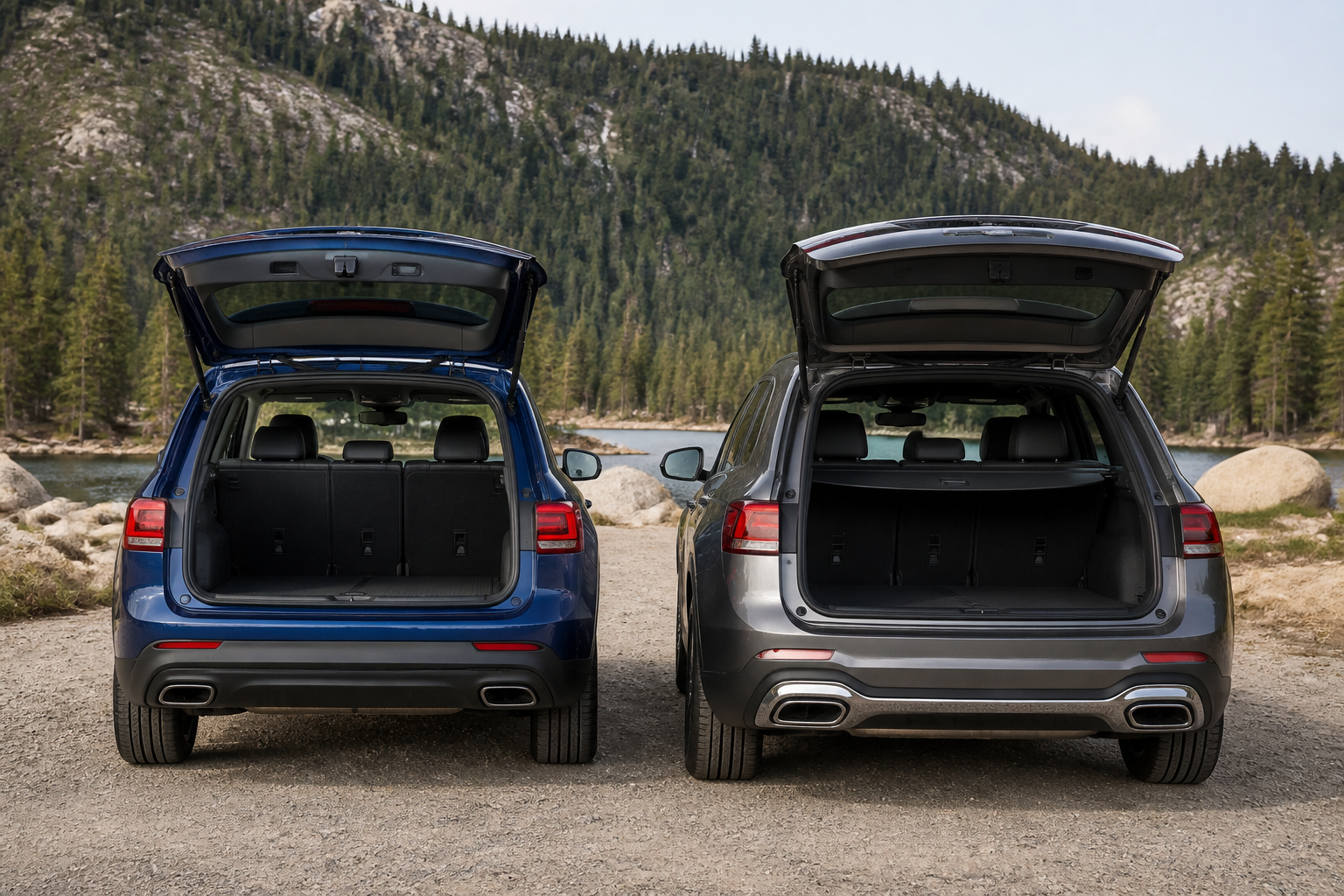
For families evaluating space and practicality, the GLB emphasizes cargo versatility and potential additional seating in a boxier footprint, while the GLC prioritizes mid-size comfort and conventional loading. Official comparison tools and third-party reviews suggest the GLB’s boxy design can maximize cargo area, whereas the GLC offers familiar rear-seat comfort and straightforward cargo handling within a slightly larger, more traditional SUV profile.
Top takeaways
- GLB’s boxier design can translate into more usable cargo space in certain configurations.
- GLB offers an optional third-row seating in some markets, expanding seating flexibility for larger families.
- GLC provides traditional midsize practicality with comfortable rear seats and solid cargo capacity, often easier to live with day-to-day.
- Official comparison tools position GLB as the compact option and GLC as the midsize option within the lineup.
The Mercedes-Benz GLB and GLC sit at distinct points in Mercedes’ SUV lineup, yet they both speak to family buyers who value usable space, comfortable seating, and everyday practicality. This article translates technical specifications into real-world utility, focusing on cargo capacity, seating flexibility, and how easy each model is to live with for daily duties and weekend trips.
How they differ in size and intent
The GLB is positioned as the boxier, practicality-first option within the Mercedes compact-SUV family. In some markets it offers an optional third-row seat, which can expand total seating capacity at the expense of cargo volume when in use. The GLC, by contrast, is a traditional midsize SUV with a more streamlined silhouette and interior proportions that aim for a refined, sportier feel while still delivering solid cargo and passenger space. For families, the difference often comes down to how much you value maximum usable cargo and second-row flexibility versus interior refinement and a more conventional footprint for parking and maneuvering.
Cargo capacity and loading versatility
Practical space is not just about numbers; it’s about how that space translates to real-life tasks. The GLB’s boxy profile generally yields a generous rectangular cargo area when the third row is not in use. Even with the optional third row, the GLB tends to emphasize accessible cargo depth and height, which can simplify loading bulky items for school runs, sports gear, or weekend getaways. When the third row is folded or removed, the GLB can present a flatter floor and a sizeable loading aperture that accommodates larger items with less angular fuss.
The GLC’s cargo area is typically shaped to maximize use in a more traditional crossover footprint. It tends to offer a higher-quality finish and a more seamless loading experience for everyday items, groceries, strollers, and suitcases. The rear hatch opening is usually wider and the cargo floor height is managed to support easy loading for many families. If you frequently travel with sizeable luggage or need a steadier base for stroller assemblies, the GLC’s more conventional packaging can feel advantageous.
Concrete numbers matter, but they vary by model year and optional configurations (such as the presence or absence of a third row or a different wheelbase). Shoppers are encouraged to check the latest figures via official sources or updated reviews, and to consider how they plan to load items in typical daily scenarios, rather than relying on a single maximum-Cargo number that may be achieved only in a rare configuration.
Seating flexibility and rear-seat usability
The GLB’s design often makes for easier ingress/egress for rear passengers due to its taller roofline and straighter seat bottoms. For families with occasional adult passengers in the second row or with frequent child-seat swaps, the GLB’s square interior can translate into more legroom or easier access in tight parking scenarios. If a third row is chosen, the GLB’s 7-seat configuration can be appealing for larger families or for short-radius shuttle duties, though the third row is typically best suited to children or shorter trips given its limited width and legroom compared with the second row.
The GLC’s second-row space tends to be refined, with seating that emphasizes comfort and support, along with usefully adjustable lumbar and seat tilt. In many configurations, the GLC offers ample knee and shoulder room for adults on longer drives, and the rear seats fold with a practical 40/20/40 split to adapt to varying cargo and passenger needs. For families who regularly transport three-across in the back, the GLC can deliver comfortable space with a more conventional packaging, though the GLB’s potential extra row might be a decisive factor for some.
Everyday practicality: urban duties and weekend trips
Urban practicality hinges on visibility, ease of parking, and how intuitive the interior layout is for daily use. The GLB’s taller ride height can improve outward visibility and makes loading doors easier in tight spots, which can be a meaningful daily benefit. Its boxier shape supports a roomy cabin feel and straightforward cargo arrangements, traits that many family buyers equate with practicality and versatility on school runs or weekend excursions.
The GLC offers a more conventional driving experience for many daily duties, with tighter dimensions that can help with street parking and city maneuvering. Its interior feel is often described as more premium and sophisticated, with materials and sound insulation contributing to a tranquil ride. If your family values a quieter cabin and a refined atmosphere for long drives, the GLC can be the more comfortable choice while still delivering solid cargo and passenger practicality.
How to decide: a practical checklist
- Assess typical cargo needs: Do you regularly cart tall items, sports gear, or bulky strollers? Consider which configuration (including potential third-row usage) best suits those tasks.
- Seat configuration needs: Will seven seats be used often, or would a second-row bench with a larger cargo footprint suffice? Remember the trade-offs between third-row convenience and cargo flexibility.
- Parking and daily usability: If you park in tight spaces often, the GLC’s more compact footprint can be beneficial. For a space-maximizing interior, the GLB’s proportions may win out.
- Ride quality versus practicality: The GLC typically emphasizes refinement; the GLB leans toward utilitarian space. Consider which aligns with your family’s priorities for comfort on long trips versus quick errands.
Practical decision criteria and scenarios
To translate the choice into everyday decisions, consider common family scenarios. A weekend ski trip for four with bulky gear will push cargo needs toward higher cargo height and floor versatility—areas where the GLB’s boxy geometry can shine when second-row seating is maintained and the third-row remains folded. For a weekly grocery run plus a double stroller and a few backpacks, the GLC’s refined loading and quicker access can reduce friction during peak-use days. If seven-seat versatility is a core requirement, quantify how often all seven seats are truly needed and compare the impact on trunk space, seat comfort, and boot loading between configurations.
Sources and guidance for shoppers
For shoppers who want concrete references, official comparison tools and respected third-party reviews provide practical context beyond the numbers. The Mercedes-Benz USA vehicle comparison tool is the primary official resource for evaluating how GLB and GLC compare within the brand’s lineup. Third-party outlets quantify cargo space and rear-seat usability in ways that reflect real-world usage: the GLB is often highlighted for its practical space, while the GLC is noted for its conventional mid-size footprint and refined interior. See:- Mercedes-Benz USA — Compare Vehicles: https://www.mbusa.com/en/vehicles/compare-vehicles- Edmunds — 2026 GLB: https://www.edmunds.com/mercedes-benz/glb/- Car and Driver — GLC-Class: https://www.caranddriver.com/mercedes-benz/glc-class
In summary, the GLB appeals to families who prioritize maximum usable cargo space and seating versatility, potentially at the expense of interior refinement and exterior proportions. The GLC suits buyers who value a more traditional midsize crossover with a refined cabin, straightforward cargo loading, and strong day-to-day practicality. Your choice should reflect how you anticipate using the space most of the time, whether that means accommodating more passengers with a usable third row, or favoring easier access and a cohesive, premium daily-driving experience.
Sources