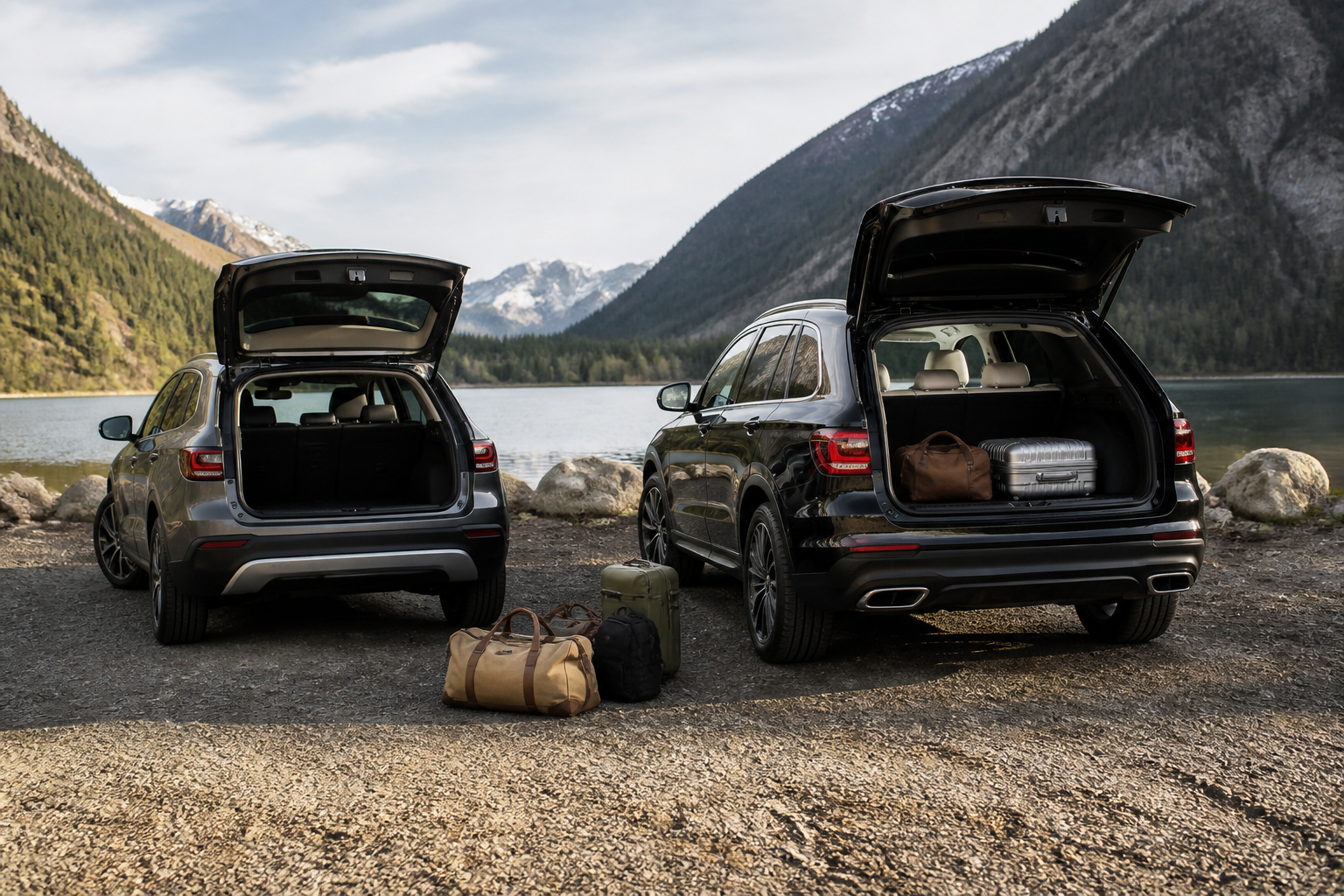
The GLC generally offers more interior space and cargo capacity,making it the more practical choice for everyday family use and luggage; the GLA is easier to maneuver and park in tight urban spaces but has less cargo room.
Key practical takeaways
- GLC provides more interior room and a larger cargo area for daily usability.
- GLA trades cargo space for city-friendly size and easier maneuverability.
- For long-term practicality, the GLC is typically the steadier choice for family life and travel; the GLA suits urban owners who prioritize nimbleness.
Choosing between the Mercedes-Benz GLA and GLC hinges on balancing urban practicality with everyday cargo needs and passenger comfort. This buyer-focused comparison pulls from verified source material to help you gauge interior space, cargo volume, and real-world usability beyond surface spec sheets. The aim is to illuminate how the two compact SUVs perform for a typical family, commuter, or weekend traveler who values daily practicality as much as premium branding.
Interior footprint and passenger space: how much room do you actually get?
The GLA occupies the subcompact tier within Mercedes’ SUV lineup, engineered to be easy to park and maneuver while still delivering the refined luxury experience buyers expect. Its cabin materials and overall feel align with a premium small footprint, but the tighter exterior translates to less rear-seat elbow room and shoulder room than the GLC. In practice, front-seat comfort in the GLA is solid, but the rear bench often feels snug for taller adults on longer trips. The GLC, with its larger footprint, provides more generous rear legroom, broader shoulder room, and a more spacious overall ambience—benefits that become noticeable as family duties, school runs, or road trips place repeated demands on the back seat.
- Practical takeaway: for two adults and two kids with gear, the GLC’s extra interior volume reduces compromises on head, knee, and shoulder space, especially for taller rear passengers.
- Practical takeaway: for daily driving with a single front-seat passenger and occasional rear seating, the GLA’s compact footprint can feel sufficiently comfortable, pairing city-friendly maneuverability with a premium cabin experience.
Key passenger comfort considerations
- The GLA emphasizes chic packaging and a premium feel within a smaller space; rear-seat space is adequate for short-to-medium trips but not as forgiving as the GLC on long drives.
- The GLC offers a roomier rear bench and easier ingress/egress for adults, making it more suitable for families or frequent rear-seat riders.
- Both models share Mercedes’ ride quality and cabin insulation; however, the GLC’s wider rear section and longer wheelbase contribute to reduced fatigue on longer journeys.
Ultimately, the choice comes down to whether you prioritize maximum interior room or a tighter, more city-friendly footprint with premium ambience.
Cargo capacity and everyday loading practicality
Cargo practicality is a key determinant for many buyers. The GLC, thanks to its larger platform, typically yields a more usable cargo area for groceries, laundry days, weekend gear, and luggage. A larger rear opening and a deeper hold accommodate a wider variety of shapes without forcing awkward loading. The GLA remains highly capable within its class, but its smaller footprint means you may encounter more frequent packing constraints if you regularly haul substantial loads or bulky equipment.
- Real-world implication: for frequent full loads—a family trip with multiple suitcases or active gear—the GLC’s extra volume often translates into fewer trips or more efficient packing inside the cargo hold.
- Real-world implication: for lighter, everyday use in dense urban environments, the GLA’s compact size can offset the lower cargo ceiling with easier maneuverability and parking ease.
Cargo space specifics in everyday terms
- The GLC generally provides more cargo space behind the second row, a larger rear opening, and a deeper hold that accommodates a wider variety of bags and shapes with less crowding.
- The GLA’s cargo area remains practical for routine errands, but anticipate slightly smaller volumes and a narrower load width that can require more methodical packing for larger items.
For shoppers whose lives include frequent passenger and gear loads, the GLC’s cargo flexibility offers a meaningful practical edge. If you highly value city livability and a smaller footprint, the GLA remains a compelling choice when cargo needs are moderate and daily driving benefits from easier parking.
Long-term usability and daily-life practicality
Beyond seats and cargo, long-term practicality involves how easy the car is to live with day to day—access to features, ease of getting in and out, and how well the interior supports family routines. Reviews consistently note that the GLA delivers the premium Mercedes experience in a more compact package, a benefit in dense urban settings where turning radius, parking, and visibility matter. The GLC, with its larger interior and cargo hold, invites a broader range of everyday tasks to be completed without strategic compromises, especially as family needs evolve or luggage demands increase.
- Consider how often you’ll need to maximize interior space for kids’ gear, groceries, or travel bags, and whether you prefer a larger cabin with more flexible cargo adaptability or a smaller, more maneuverable vehicle that still delivers luxury, tech, and safety features.
Practical takeaways for deciding between GLA and GLC
- If you routinely transport two or more adults and prize rear-seat comfort plus a larger cargo hold, the GLC is the more practical everyday choice.
- If you value city-friendly dimensions, easier parking, and a premium experience in a smaller footprint, the GLA is a strong contender, provided your cargo and rear-seat needs stay moderate.
- Both models offer Mercedes-Benz refinement and a suite of driver-assistance features; consider higher trims or optional packages that improve interior usability and safety tech based on your budget and priorities.
Scenarios and practical decision framework
To translate these general observations into real shopping criteria, consider common daily-life scenarios. A small family with one child and plans for occasional weekend trips may lean toward the GLA for its city-friendly size while still providing respectable cargo capacity for a weekender bag and stroller. If, however, weekend sports gear, multiple car seats, or frequent travel with luggage are in the mix, the GLC’s expanded cargo hold and rear seating comfort can reduce packing constraints and improve overall daily efficacy.
Ownership costs and feature considerations (model-dependent caveats)
While not the focus of this article, it’s worth noting that interior space and practicality often intersect with ownership costs and equipment levels. Base trims on both models may include essential driver assists, but higher trims or optional packages frequently unlock more sophisticated safety tech, upgraded infotainment interfaces, and more versatile cargo configurations (such as split-folding rear seats or adjustable load floor). Prospective buyers should compare trims not only on sticker price but on how the interior layout supports their daily routines, including child seating, pet transport, and bulky items.
Sources