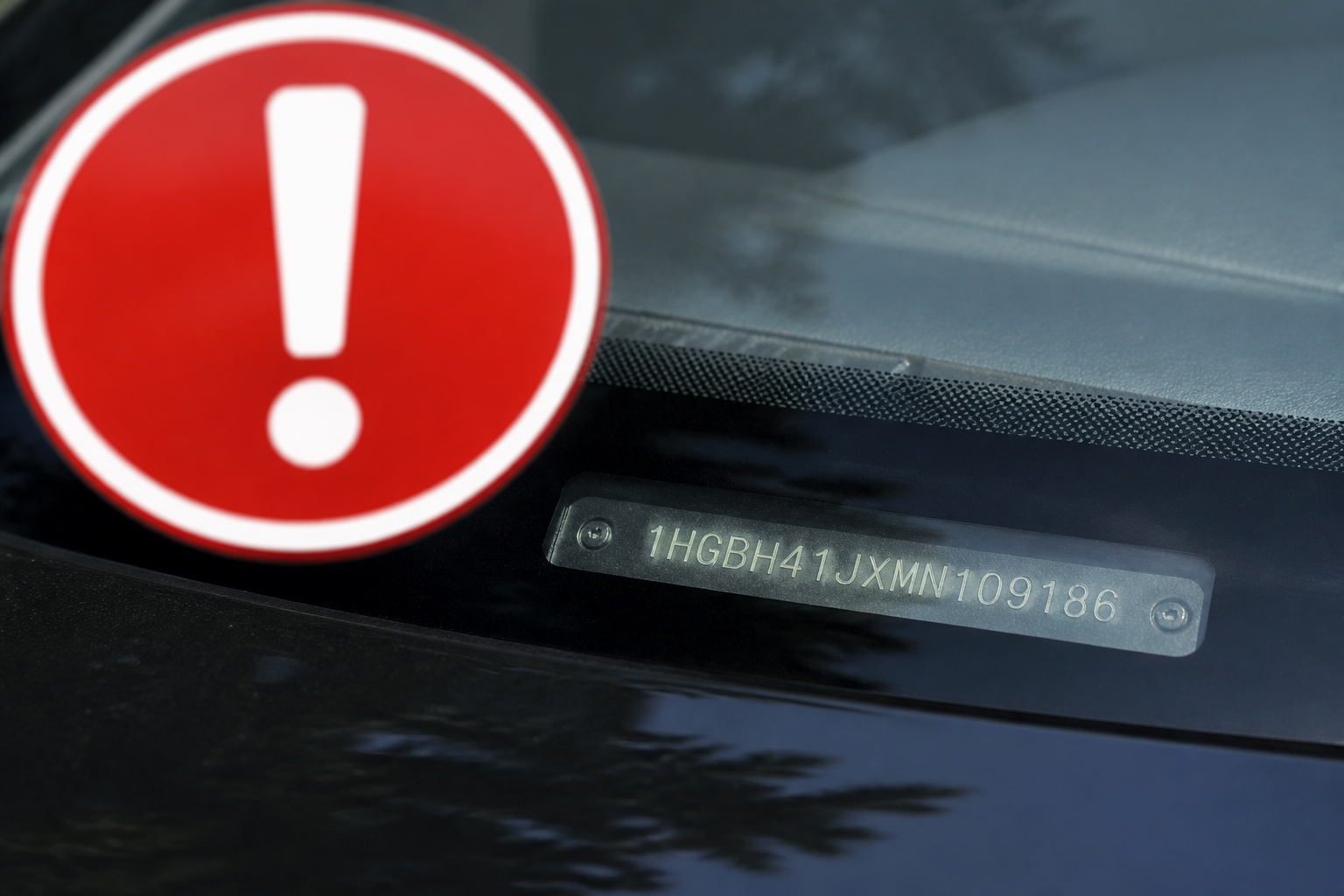
Use a VIN-based recall verification workflow before buying: locate the VIN, check Mercedes-Benz USA’s VIN-specific recall tool and cross-check with NHTSA’s VIN recall database, interpret the results for open or completed remedies, and obtain written confirmation of remediation or scheduled service before finalizing the purchase.
Three takeaways for verifying recalls before purchase
- Always verify recalls with the exact 17-character VIN rather than model-year data.
- Open recalls require timely action with dealer repairs funded by the manufacturer; keep written proof of status.
- Cross-check both manufacturer and regulator sources to ensure completeness and up-to-date information.
Verification of safety recalls before purchase: VIN-driven, practical steps for Mercedes buyers
When evaluating a used Mercedes-Benz, verifying safety-recall history is a non-negotiable step in risk assessment. A recall check tied to the vehicle’s exact VIN provides the most precise picture of defects that affect that particular car, not just the model line or year. This article expands on a concrete, VIN-focused workflow, showing how to interpret results, coordinate with dealers or sellers, and act if a recall is found. The guidance draws on official recall tools from Mercedes-Benz USA and the U.S. National Highway Traffic Safety Administration, and it clarifies practical, model-dependent caveats you’ll encounter in real-world scenarios.
Why a VIN-specific recall check matters
Recall campaigns are defined by a car’s unique vehicle identification number (VIN). Two cars of the same model year can have different recall statuses if a campaign only affects certain production batches or specific options. Relying on general model-year data can lead to a false sense of security or missed safety risks. A VIN check ensures you are addressing the exact vehicle’s history, which is especially important for aging vehicles with a long memory of campaigns that may have been completed years ago.
Structured workflow for verifying recalls before purchase
- Capture the complete 17-digit VIN accurately. The VIN is typically located on the lower-left corner of the windshield, on the driver's door jamb placard, and on registration or insurance documents. Record the full VIN exactly as shown, without omissions, including any letters that could be easy to misread (for example, I vs 1, O vs 0).
- Start with VIN-specific recall lookups for the exact vehicle. Use the Mercedes-Benz USA VIN recall lookup to identify current and past U.S. campaigns tied to that VIN and to note any limitation about non-U.S. coverage. Be aware that the tool focuses on U.S.-market data and may not reflect foreign campaigns or records before 1990.
- Cross-check with an independent regulator for validation. Consult the NHTSA recall portal to view VIN-specific results and confirm that remedies are offered at no cost. The NHTSA resource explains how to interpret results and reiterates that manufacturers provide free repairs for applicable recalls. It also shows where to locate the VIN on the car and in official documents.
- Interpret the results and decide on next steps. If an open recall exists, treat the vehicle as needing service before or soon after purchase. If the recall is closed (remedy completed) or if there are no VIN-specific recalls, document the status and maintain vigilance for future campaigns, noting that some campaigns may be non-U.S. or region-specific.
- Coordinate remediation with the seller or dealer. For dealer purchases, request written confirmation that any open recalls have been completed or scheduled. For private-party purchases, obtain the VIN-specific recall printout from the seller and arrange service with a Mercedes dealer or authorized shop before taking ownership. Retain copies of all recall statuses for your records and future resale.
What a recall remedy entails and who pays
Recall remedies are provided by the vehicle manufacturer at no cost to the owner. This includes replacement parts, software calibrations, or other necessary services to correct the safety defect. Interim safety instructions may be issued while a full remedy is developed; follow these instructions precisely to maintain safety. The official guidance emphasizes VIN-specific results rather than broad model data to ensure accuracy for the exact car you intend to buy.
Decision criteria at a glance
- VIN specificity. Always verify recalls against the exact VIN, not a generic model year, trim, or production range.
- Open vs. closed status. An open recall requires action before purchase completion or promptly afterward, whereas a closed recall indicates completion of the remedy; confirm the remedy date, dealer, and parts involved.
- Geography and coverage. Some recall information is jurisdiction-specific. For a U.S.-market vehicle, prioritize U.S. records; non-U.S. campaigns may not appear in U.S. tools.
- Documentation. Obtain and keep written status, remedy details, and service dates tied to the VIN. This documentation supports post-purchase assurance and future resale.
Common scenarios and recommended responses
- Open recall found with available parts. Schedule the recall service with an authorized Mercedes dealer and obtain a written repair-date confirmation. If you are buying, ensure a firm plan is in place to complete the service before or soon after closing.
- Open recall with parts on backorder or extended lead times. Negotiate a firm service window and, in a private-party deal, seek a price concession or a hold on closing until a documented commitment is secured. If the vehicle remains drivable, rely on interim safety instructions and document any driving restrictions.
- No VIN-specific recalls in current checks. Continue periodic rechecks, as new campaigns may appear for older vehicles when campaigns are expanded or updated.
Practical scenarios for Mercedes buyers
For a prospective private-party purchase, include the VIN-based recall workflow in your due-diligence package and convey to the seller that recall status must be clean or remedied prior to completion. For dealer-owned Mercedes vehicles, request a current recall-status printout tied to the VIN and confirm that any open items are scheduled or completed before finalizing the deal. In both cases, maintain an auditable trail of all correspondence and status reports.
Coordinating the two primary sources
The Mercedes-Benz USA recalls tool provides VIN-specific results and notes geographic limitations, while the NHTSA recalls site confirms the legal framework for remedies at no cost and offers guidance on locating the VIN and interpreting results. Use both in tandem to cross-verify results and navigate jurisdictional nuances that may apply to a given vehicle.
Key links for quick reference:
Sources: Mercedes-Benz USA recalls information; NHTSA VIN-based recall data.
Frequently asked questions
What should I do if a recall is found on a potential purchase?
If a VIN shows an open recall, arrange remediation with an authorized Mercedes-Benz dealer before completion of the sale. Obtain written confirmation of the recall status and scheduled repair date.
Are recall remedies always free?
Yes. In the U.S., recall repairs are provided by manufacturers at no cost to the owner, and interim safety guidance may be provided until the remedy is completed.
Can a model-year recall affect multiple VINs differently?
Yes. Some recalls are VIN-specific; always verify the exact VIN rather than relying on model-year data to avoid gaps in coverage.
Related Mercedes-Benz guides
- C-Class safety essentials verify standard vs optional driver-assist packages
- Mercedes GLE towing readiness checks hitch configuration and payload
- How to Verify Mercedes-Benz Options Before You Buy: VIN, Packages and Equipment
- Used C-Class W205 inspection checklist faults recalls verification
- MB.OS data retention and deletion options