
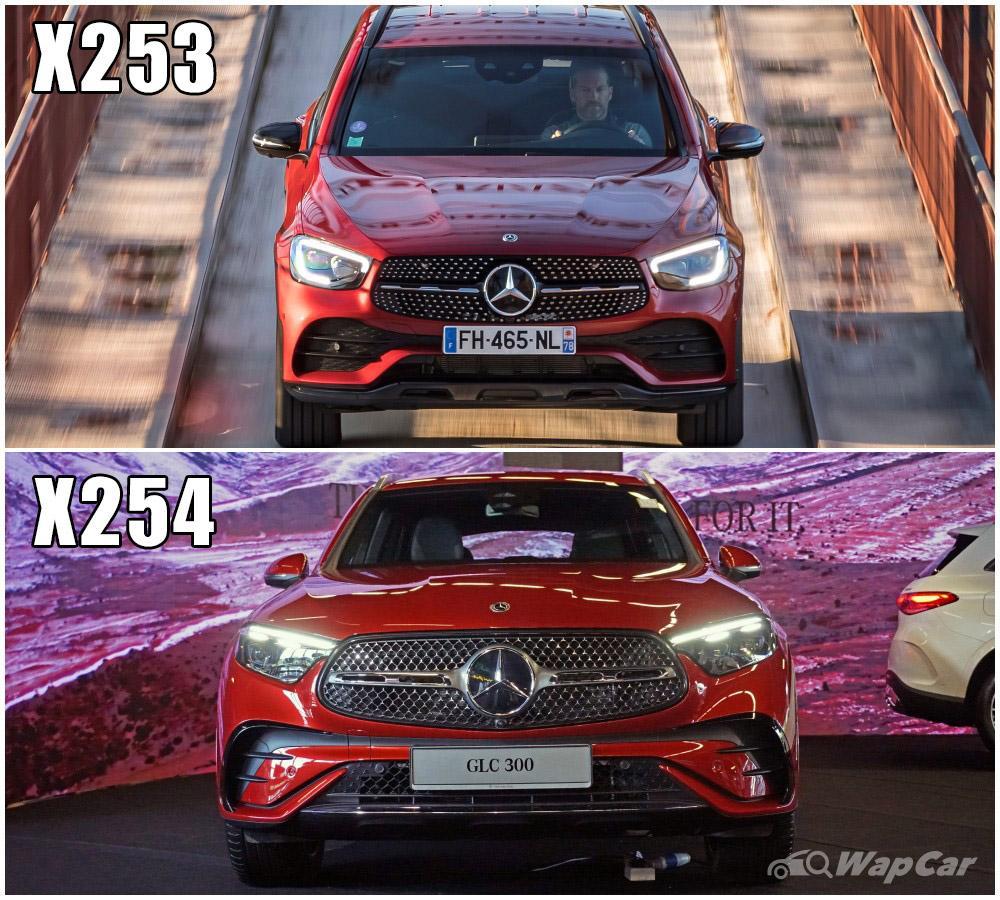
The Mercedes-Benz GLC has become one of the most common entry points into a premium Mercedes SUV. In the used market, buyers now face a clear generational choice: the established X253 or the newer X254. They may look similar in size and purpose, but they differ enough in cabin design, powertrain strategy, technology and purchase price that choosing by age alone can be expensive.
X253 vs X254 at a glance
| Factor | GLC X253 | GLC X254 |
|---|---|---|
| Used price | Generally lower with wide supply | Usually higher because it is newer |
| Cabin | More conventional layout, technology varies by year | Newer portrait-screen MBUX environment |
| Powertrains | Broad petrol, diesel and plug-in mix by market | Greater electrification focus |
| Best reason to choose | Value and mature used availability | Newer cabin, technology and vehicle age |
| Main risk | Buying a cheap SUV with expensive deferred work | Overpaying for a newer chassis without checking options |
Why the X253 remains important in the used market
The X253 has been on the road long enough for buyers to find examples at many price levels. That creates an advantage: you can prioritize condition, service history and equipment instead of being forced into a narrow group of newer cars.
It also creates a trap. The cheapest GLC in a search result may need tires, brakes, suspension work, battery replacement or overdue servicing. Premium SUVs can hide significant reconditioning cost behind clean paint and a polished interior.
What the X254 changes
The X254 moves the GLC toward the same digital design philosophy used in the newer C-Class. The cabin is more screen-led, connectivity is more central to the experience and electrification plays a larger role in the powertrain range.
That is a real advantage for buyers who want a current-generation interface. It is less important for someone who mainly wants a comfortable SUV, physical familiarity and lower acquisition cost. Test the interface before buying; some drivers prefer the newer system, while others simply do not need it.
Check the exact drivetrain before comparing prices
A GLC badge does not tell you enough. The same generation can include rear-drive, all-wheel-drive, petrol, diesel and plug-in hybrid configurations depending on market. Their maintenance needs and use cases differ significantly.
If you drive long motorway distances, compare fuel economy, service history and tire wear. If most trips are short, consider whether the chosen diesel is appropriate for your driving pattern. If you are buying a plug-in hybrid, include battery condition, charging equipment, charging behavior and usable cargo capacity in the inspection.
4MATIC: useful, but not a substitute for correct tires
All-wheel drive can improve traction when accelerating, but it does not shorten braking distance on a slippery road. Tire type, tread depth and temperature suitability remain critical. Das Motor's 4MATIC coverage is useful background when evaluating whether you actually need all-wheel drive.
GLC-specific inspection priorities
- Check all four tires for matching specification and even wear.
- Inspect large wheels carefully for damage and previous repairs.
- Test parking cameras and sensors from multiple angles.
- Listen for suspension knocks over rough surfaces.
- Check the powered tailgate and all seat functions.
- Verify tow-bar equipment and coding if the vehicle has been used for towing.
- On plug-in hybrids, test AC charging and confirm high-voltage system status.
- Inspect underbody panels and lower bumper areas for damage.
X253 facelift versus early X253
Do not group every X253 together. Later cars can have updated styling, infotainment and powertrain changes. If an advertisement uses terms such as “facelift,” “AMG Line” or “Premium Plus,” verify them against the VIN-linked factory equipment rather than exterior badges.
Use the Mercedes options verification guide before paying for a claimed specification.
Which GLC makes the better used buy?
Choose the X253 when your priority is value. A late, well-maintained example can provide much of the refinement buyers expect from a GLC while leaving more budget for maintenance, tires and insurance.
Choose the X254 when the newer cabin, more recent technology and younger vehicle age are genuinely important to you. It is especially compelling when the car is correctly specified and still benefits from manufacturer coverage.
Do not forget total ownership cost
Calculate the cost of the exact car for at least three years. Include purchase price, financing, insurance, tires, scheduled servicing, brakes, expected mileage and an unscheduled-repair reserve. A cheaper X253 with 20-inch tires and immediate brake work may not be cheaper than a cleaner X254 once you normalize the costs.
Buyer FAQ
Should I avoid a high-mileage X253?
No fixed mileage automatically makes it a bad purchase. A high-mileage motorway car with consistent servicing can be preferable to a lower-mileage urban car with poor maintenance. Use our used Mercedes mileage guide.
Is the X254 worth paying more for?
It is worth more when you value the newer digital cabin, newer vehicle age and specific equipment. It is not automatically worth any asking-price difference. Compare condition-adjusted ownership cost.
Should I buy a plug-in hybrid GLC?
Only if your charging access and trip pattern suit it. Test charging, confirm battery-related warranty where applicable and inspect the high-voltage system professionally.
Continue the cluster


