Winter tires generally offer superior wet-weather grip and shorter braking distances in cold, rainy conditions on Mercedes vehicles, especially where temperatures fall near or below freezing. All-season tires provide year-round convenience with decent wet performance but may not match dedicated winter tires for hydroplaning resistance and handling in persistent rain. Over five years, weigh upfront costs, replacement intervals, and TPMS maintenance when changing tire types.
Key takeaways
- Winter tires typically improve wet grip and braking in cold rain for Mercedes, especially with 4MATIC.
- All-season tires offer year-round use but can compromise wet braking and hydroplaning resistance in severe rain.
- TPMS behavior can change with temperature; follow the door-jamb placard for pressures and perform relearn as required after tire changes.
- Plan tire purchases over a five-year horizon to balance upfront costs with safety benefits and wear patterns.
- Climate and driving style should drive the final choice more than brand alone.
Choosing the right tires for a Mercedes, especially with 4MATIC, hinges on how you balance safety in rain with long-term cost. This practical guide expands on the decision framework between winter tires and all-season tires for wet driving, anchoring the discussion in how weather, road conditions, and vehicle systems interact with tire design. We draw on Mercedes-specific considerations such as TPMS behavior, sensor relearn procedures after pressure changes, and how to read vehicle data to support a five-year ownership plan. The goal is to help a prospective or current Mercedes owner make an evidence-based choice that minimizes risk while keeping total ownership costs in check.
Executive summary: what to decide and why
The core decision for Mercedes owners who regularly encounter rain is whether the improved grip, traction, and stability offered by dedicated winter tires justify their higher upfront cost and potential wear in warm months. All-season tires provide year-round convenience and usually lower operating costs, but they may compromise wet grip and hydroplaning resistance in heavy rain compared with a set of winter tires designed for cold, wet conditions. Your choice should weigh climate (including temperature thresholds that influence rubber behavior), driving style (urban stop-and-go versus highway cruising and aggressive cornering), and the likelihood of encountering standing water. Another practical factor is how TPMS behavior changes with temperature and tire composition, since sensor readings can influence maintenance planning and the timing of tire changes.
Decision criteria: how to evaluate tires for wet Mercedes driving
Climate and seasonality
If you regularly drive in temperatures near or below freezing, winter tires preserve grip in wet and slushy conditions thanks to specialized tread patterns and softer compounds. In consistently warm but wet climates, all-season tires can maintain predictable wet performance with balanced wear. For areas with mixed seasons, some drivers opt for a wheel/rim pair strategy: one set of winter tires mounted on dedicated wheels and a separate set of all-season or summer tires on different rims to simplify swaps and maintain optimal performance year-round. This approach has its own costs and storage considerations, but it removes the mess and downtime of seasonal changeover on an as-needed basis.
Hydroplaning risk and tread design
Winter tires typically feature deeper, more aggressive tread blocks, variable-lift sipes, and softer rubber compounds that help evacuate water and maintain contact with the road under rain and slush. All-season tires aim for a compromise across seasons, using intermediate tread depths and mixed siping patterns. In persistent or heavy rain, winter tires generally resist hydroplaning more effectively than all-season tires, provided temperatures remain within the tires’ designed operating window. The Mercedes driver canopy should consider this in daily commuting corridors with standing water or puddles, especially on higher-speed roadways where hydroplaning risk increases with speed and water depth.
Wet braking and handling
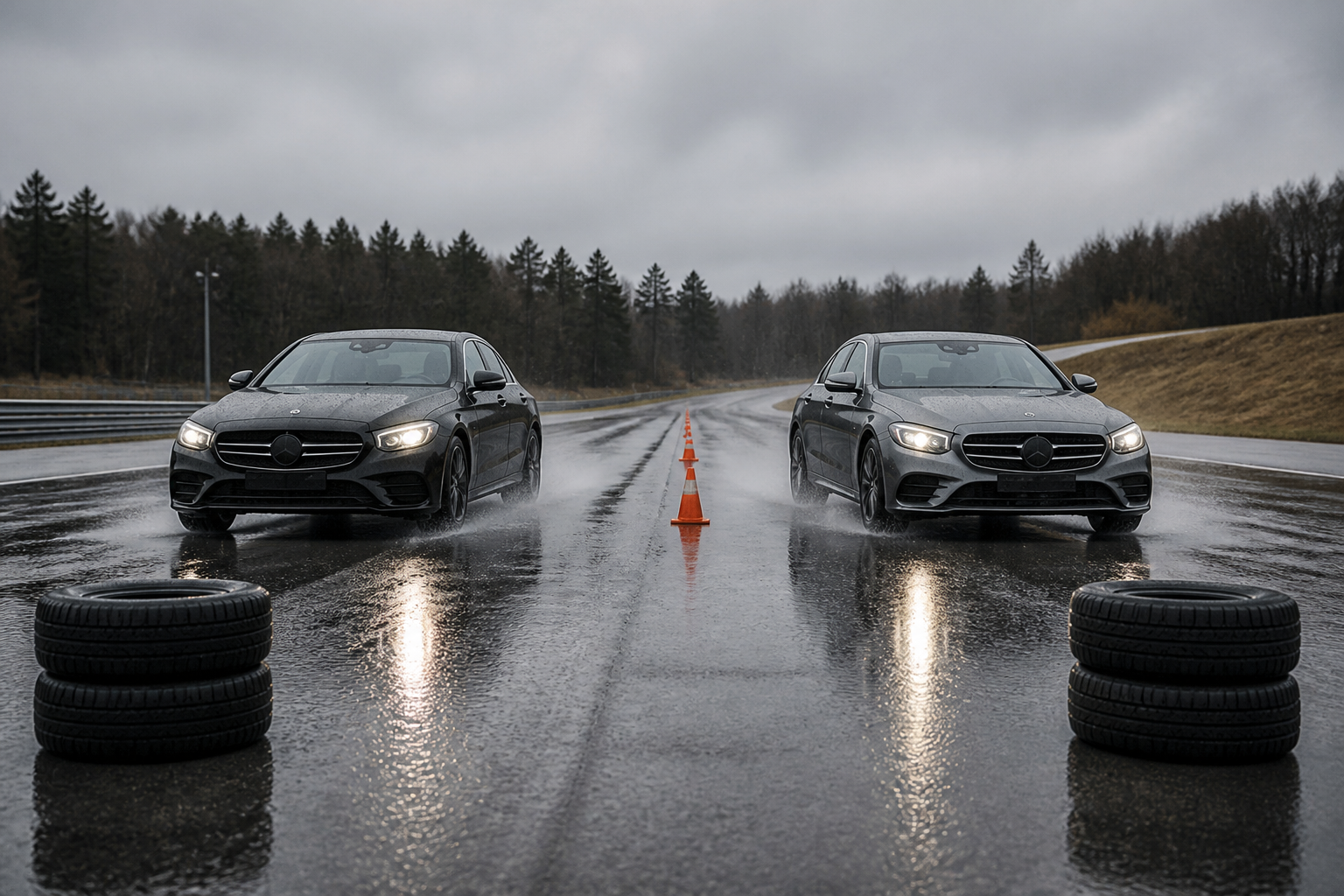
In wet braking, winter tires often deliver shorter stopping distances on cold wet roads than all-season tires, particularly as ambient temperatures approach or drop below freezing. For Mercedes models with high-performance dynamics or 4MATIC all-wheel drive, the interaction between tire compound, tread design, and electronic safety systems (such as ABR/ESP integration) can influence brake feel and cornering confidence in rain. The upshot: in climates with regular cold rain, winter tires typically provide a noticeable safety margin in wet braking, while all-season tires may suffice in milder wet climates with occasional cold snaps.
Tire wear, cost, and five-year planning
Winter tires wear more quickly in warm weather and when used outside their optimal temperature range, which can limit their five-year practicality in warmer climates. All-season tires span a longer portion of the year but may require more frequent rotation and monitoring for grip cues in persistent wet-cold conditions. When planning over five years, owners should weigh not only the upfront tire price but also mounting, balancing, potential TPMS relearn costs, and the likelihood of needing an earlier tire replacement if seasons demand more aggressive tread to maintain wet grip. A conservative five-year budget will consider two tire set lifecycles (winter-specific and all-season) or one well-chosen set optimized for the predominant climate, plus the logistics of seasonal storage if you opt for a dedicated winter tire setup.
Practical scenarios: what to expect on real-world drives
Scenario A: You live in a rainy climate with occasional cold snaps. Scenario B: Your area experiences all-season rain but rare freezing. Scenario C: You drive aggressively in wet conditions with a 4MATIC system. For each, assess likely performance differences in wet braking, hydroplaning resistance, and total cost of ownership. In Mercedes vehicles, TPMS behavior can reflect pressure changes due to temperature, so ensure you consult the owner’s documentation and perform proper relearning after changing tires or adjusting pressures. Real-world testing for these scenarios should focus on wet braking distance measurements, aquaplane risk at typical highway speeds, and tire wear cycles against the expected climate profile.
What to do next: a simple five-step plan
- Assess climate: quantify how often temperatures dip below 7–10 C (44–50 F) and how rainy your winters are, including the frequency and depth of standing water on typical routes.
- Check your driving profile: urban vs. highway miles, average speed, risk tolerance for longer wet-stopping distances, and whether you prioritize predictable turn-in and braking in rain.
- Review vehicle specifics: confirm tire size, load and speed ratings, and how your Mercedes model, including 4MATIC, interacts with winter versus all-season tires (for example, any approved tire lists or wheel compatibility notes).
- Estimate costs: include tire purchase, mounting/balancing, rotation, TPMS relearning if you change tire types, storage if you separate seasons, and potential fuel economy implications due to rolling resistance differences.
- Plan a five-year schedule: map out viable tire-change windows that maintain safety without overpaying for off-season wear, and incorporate sensor relearn timing into maintenance planning.
Mercedes-specific notes and maintenance tips
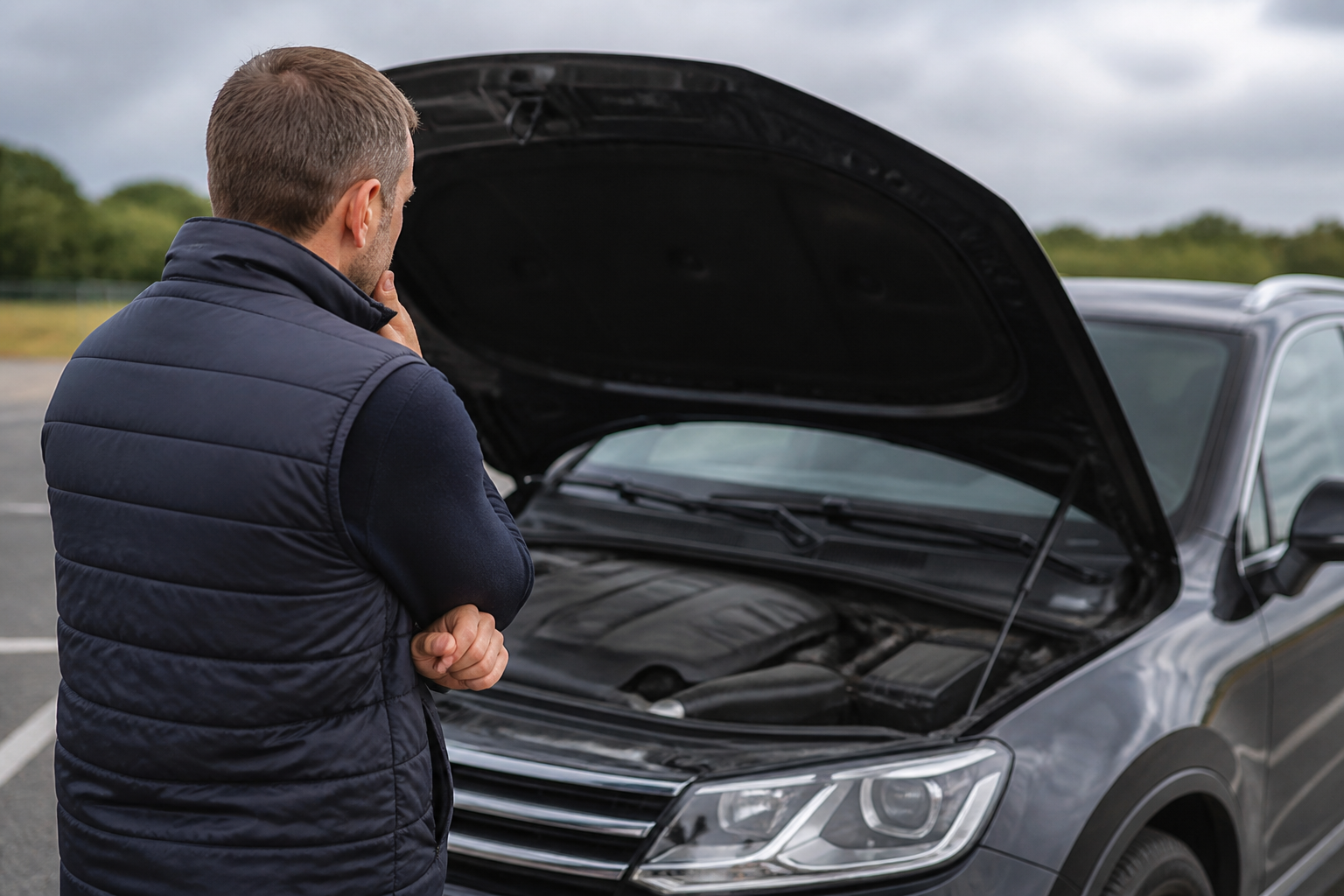
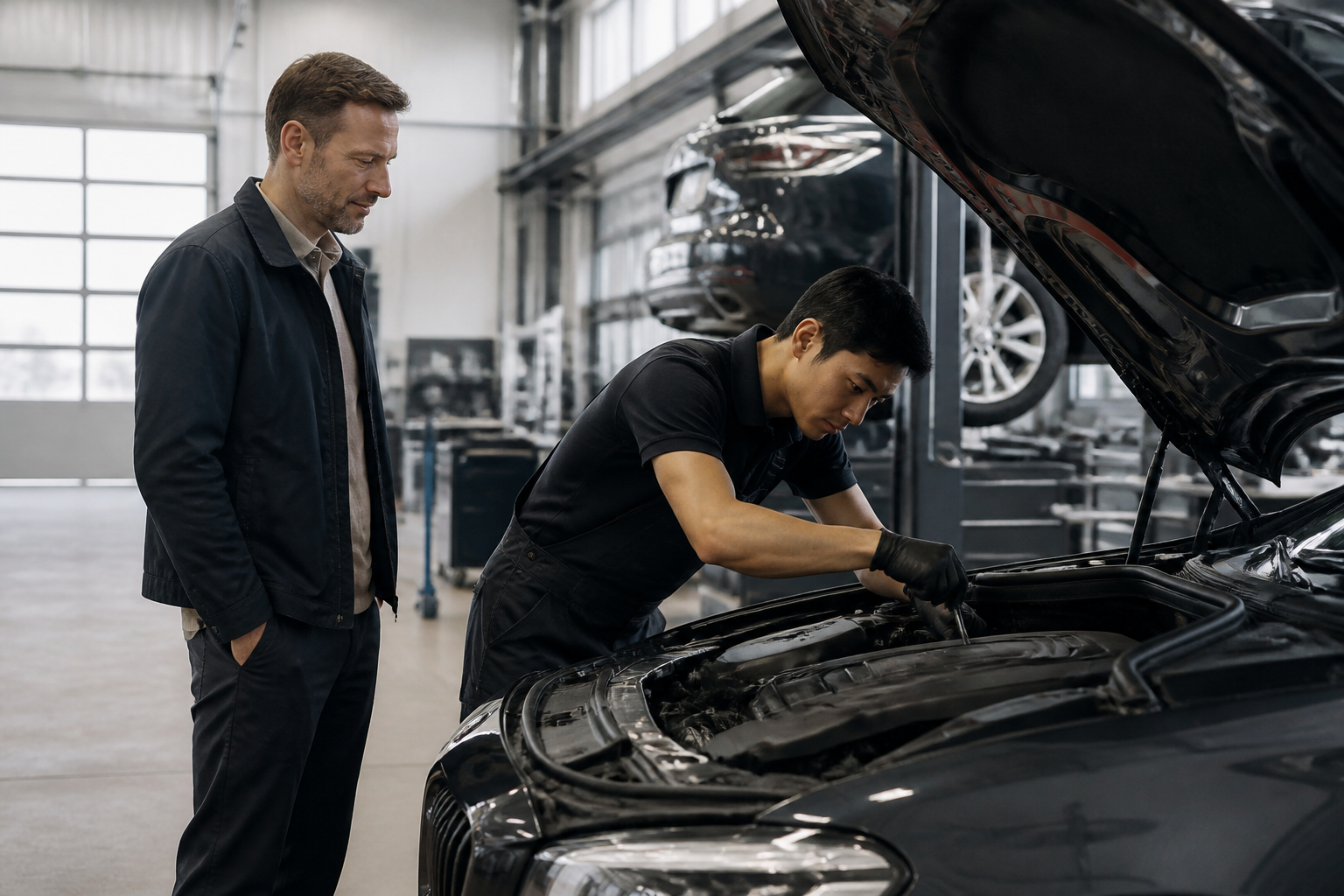
Mercedes-Benz TPMS relies on accurate pressure readings that swing with ambient temperature. The door-jamb placard remains the authoritative source for recommended cold tire pressures. After changing tires or inflating to spec, some models require a TPMS relearn or reset to correctly calibrate the sensors. If you notice that a warning persists after inflation or a change in tire type, consult the vehicle’s owner manual for the exact relearn sequence and consider a quick diagnostic check with an authorized tire technician. Reliable practical references for pressure management and relearning steps include the Capital One Auto Navigator guide on how to reset the tire-pressure light and Discount Tire’s TPMS facts, which discuss temperature-driven pressure changes and sensor recalibration requirements: Capital One Auto Navigator guide and Discount Tire TPMS facts.
Bottom line for Mercedes buyers
For frequent wet-weather driving, especially in climates with regular rain and cooler temperatures, winter tires offer a clear safety advantage in braking and stability for many Mercedes owners. If your climate is generally milder year-round and you value convenience and lower annual running costs, a well-chosen all-season tire can meet your needs with proper maintenance and regular checks of tread depth and wear. The optimal tire strategy depends on climate, driving style, and your willingness to manage tire maintenance across the vehicle’s life cycle, including TPMS calibration considerations when changing tires.
Dry-wet performance and cost considerations for Mercedes winter vs all-season tires (5-year view)
| Aspect | Winter tires | All-season tires |
|---|---|---|
| Wet grip in rain | Strong improvement at cold temps; better water evacuation | Moderate; designed for year-round use but less grip in heavy rain |
| Braking distance in wet | Typically shorter when cold; better on slush | Longer than winter tires in cold/wet conditions |
| Hydroplaning resistance | High due to tread and compound | Moderate; less aggressive tread than winter tires |
| Tire wear in warm months | Limited use; wears faster when used in warm weather | Designed for year-round use; more even wear across seasons |
| Cost per tire cycle | Higher upfront; longer-term safety benefits | Lower upfront; potential higher replacement rate depending on climate |
Frequently asked questions
When should I replace tires for best wet braking?
Replace tires when tread depth reaches 4/32 inch (3.2 mm) or less for reliable wet braking, considering climate and local wear. Replacing at this threshold helps maintain effective water evacuation and grip in rain.
Do I need a TPMS relearn after installing winter tires?
Yes. After changing tire types, follow your Mercedes owner guidance to relearn TPMS sensors, as temperature and pressure changes can affect the system’s accuracy.
Is it better to use winter tires year-round on a Mercedes?
Not usually. Winter tires are optimized for cold, wet conditions; using them in warm weather can wear them faster and reduce performance and fuel efficiency. A well-chosen all-season tire can be preferable in warm, wet climates, but your local conditions should guide the decision.