
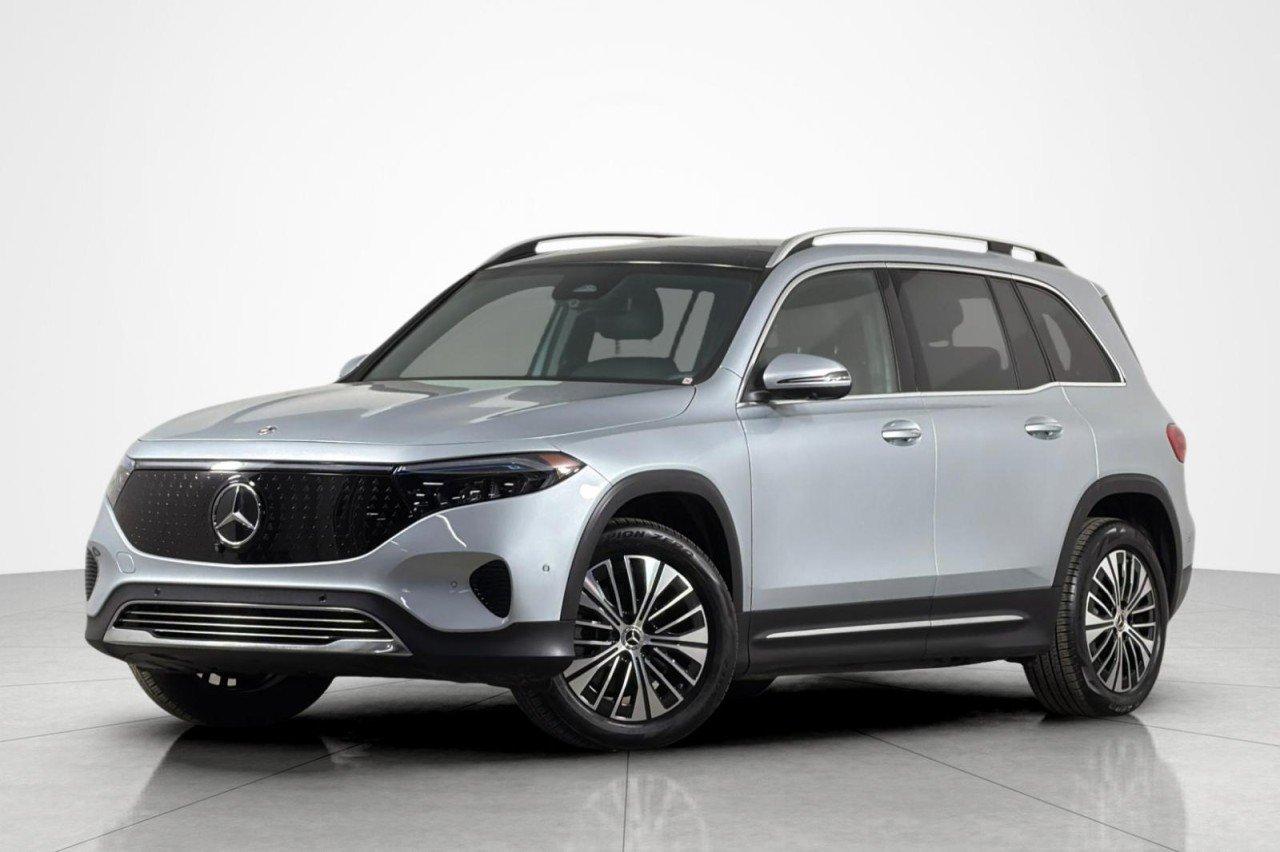
A new Mercedes-Benz gives you maximum choice and the longest factory-backed runway. A Certified Pre-Owned vehicle trades some of that choice for a lower purchase price and meaningful warranty protection. An ordinary used example can cost less again, but condition and documentation matter far more than the badge on the trunk. The smart choice is therefore not automatically the newest or cheapest car; it is the one whose price, remaining coverage, condition and likely repair exposure fit your ownership plan.
This guide uses the U.S. market as its reference. Warranty terms, consumer protections and CPO rules differ by country, so confirm the exact written terms that apply to the VIN you are considering.
The three buying routes at a glance
| Route | Main advantage | Main compromise | Best fit |
|---|---|---|---|
| New | Full configuration choice and new-vehicle coverage | Highest price and earliest depreciation | Long-term owner who wants a specific build |
| Mercedes-Benz CPO | Factory program, inspection and added limited warranty | Higher price than a comparable non-CPO used car | Buyer who values predictable risk |
| Ordinary used | Lowest entry price and widest supply | Condition and warranty vary greatly | Informed buyer with inspection access and a repair reserve |
What you actually receive with a new Mercedes
Buying new is most valuable when configuration matters. You can choose the model, powertrain, color, trim and option packages instead of accepting the closest used-car match. You also begin with a known history and the applicable new-vehicle warranty. The cost is that you pay retail pricing, taxes on a higher amount and the steepest portion of depreciation.
Do not compare vehicles only by monthly payment. Request a written out-the-door price that includes destination charges, dealer fees, installed accessories and taxes. Then compare the same ownership period for every candidate. A discounted car with unwanted wheels, costly tires or an unnecessary appearance package may be worse value than a simpler build.
What Mercedes-Benz CPO adds
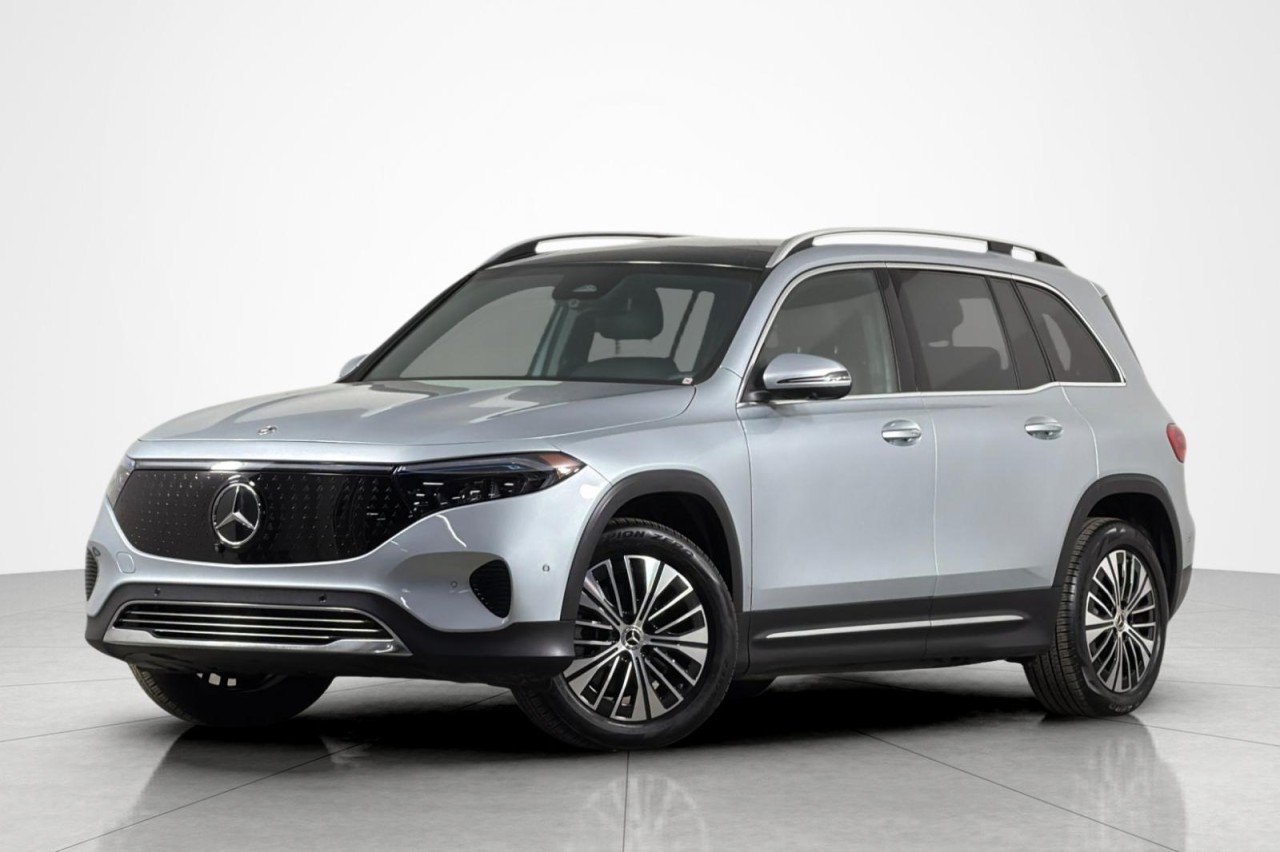
Mercedes-Benz USA says an eligible CPO vehicle must generally be six model years old or newer, have fewer than 75,000 miles, follow scheduled servicing and include a vehicle-history report. The program describes a 165-plus-point inspection for certain combustion vehicles, with different inspection points for electric models. It also states that remaining four-year/50,000-mile new-vehicle limited coverage applies first; after that, the CPO limited warranty adds 12 months with unlimited miles. Optional one- or two-year CPO extensions may be available.
Those benefits are meaningful, but “certified” is not a substitute for reading the paperwork. Ask for the completed inspection sheet, the warranty start and end dates, exclusions, deductible information and confirmation that coverage follows the car. Check whether the vehicle is truly manufacturer-certified rather than merely described as “dealer certified.” The program terms published by Mercedes-Benz USA are the benchmark.
When an ordinary used Mercedes can be the best value
A non-CPO car can make sense when the price difference comfortably exceeds the cost of an independent inspection, immediate maintenance and a realistic repair reserve. It can also be the only route to an older generation, unusual specification or lower-priced private-party example. The strongest candidates have consistent service records, matching premium tires, no unresolved warning lights, clean body repairs and a seller willing to permit a pre-purchase inspection.
The weakest candidates depend on a low advertised price to distract from deferred work. Large wheels with worn tires, overdue brakes, fluid leaks, malfunctioning driver-assistance equipment and incomplete service history can erase the initial saving quickly. Read our used C-Class inspection guide for an example of how model-specific verification changes the decision.
Run a five-year comparison, not a showroom comparison
Create a simple ownership worksheet for the exact cars under consideration. Include the cash price, financing cost, taxes, insurance quote, expected annual mileage, scheduled service, tires, brakes, registration and an allowance for unscheduled repairs. Treat resale value as an estimate rather than guaranteed money. If two vehicles use different tire sizes or powertrains, do not assume their running costs are equal.
A CPO premium can be rational when you drive many miles, cannot tolerate repair downtime or would otherwise purchase comparable warranty coverage. Conversely, a carefully inspected non-CPO car may win when you pay cash, keep a reserve and have access to a trusted Mercedes specialist. Our guide to calculating five-year Mercedes ownership cost explains the categories to include.
Documents to request before leaving a deposit
- The full VIN and a written out-the-door price.
- The vehicle-history report and itemized service history.
- The original window sticker or verified equipment list.
- The CPO inspection report if the vehicle is advertised as CPO.
- The exact warranty booklet and written remaining-coverage dates.
- A list of dealer-installed products, add-ons and cancellation terms.
- Written confirmation that open recalls have been completed.
The U.S. Federal Trade Commission advises buyers to obtain the dealer’s Buyers Guide, check whether the car is sold “as is” or with a warranty, secure promises in writing and obtain an independent mechanical inspection. A history report is useful, but the FTC explicitly says it is not a substitute for an inspection.
A practical decision rule
Choose new when exact specification, complete coverage and a long ownership horizon matter more than initial depreciation. Choose CPO when you want a newer used car and the documented factory-program benefits justify the premium. Choose ordinary used when the car passes an independent inspection, the records are strong and the price leaves a genuine repair reserve. If a seller refuses VIN disclosure, written pricing or an inspection, the correct decision is usually to walk away.
Questions buyers ask
Is CPO always worth the extra price?
No. Compare the premium with the actual remaining new-vehicle coverage, added CPO term, condition and expected mileage. It is easier to justify when downtime would be costly or you could not comfortably self-insure covered systems. It is harder to justify when a comparable non-CPO car has excellent records, passes an independent inspection and still carries substantial factory coverage.
Can a private-party Mercedes still have factory warranty?
Possibly, but never assume. Eligibility, duration and transfer rules depend on the vehicle and market. Obtain the VIN, in-service date and applicable warranty booklet, then ask an authorized dealer to confirm the record. A statement that a car is “under warranty” may ignore mileage, time, exclusions or title history.
Should I buy an extended service contract?
First identify existing coverage and avoid paying twice. Read the covered-component list, exclusions, claim authorization rules, deductible, labor-rate limits, cancellation terms and administrator identity. Compare the contract price with a repair reserve you could keep. “Bumper to bumper” marketing may still exclude wear, diagnostics, trim, software and consequential damage.
What if the cheapest car needs immediate work?
Add every documented need to its price before comparing it with another car. Include tires as a set, alignment, overdue service, brakes, keys and diagnostic work, then add a contingency for findings that cannot yet be priced. A lower asking price represents value only when the condition-adjusted total remains attractive.
Sources


