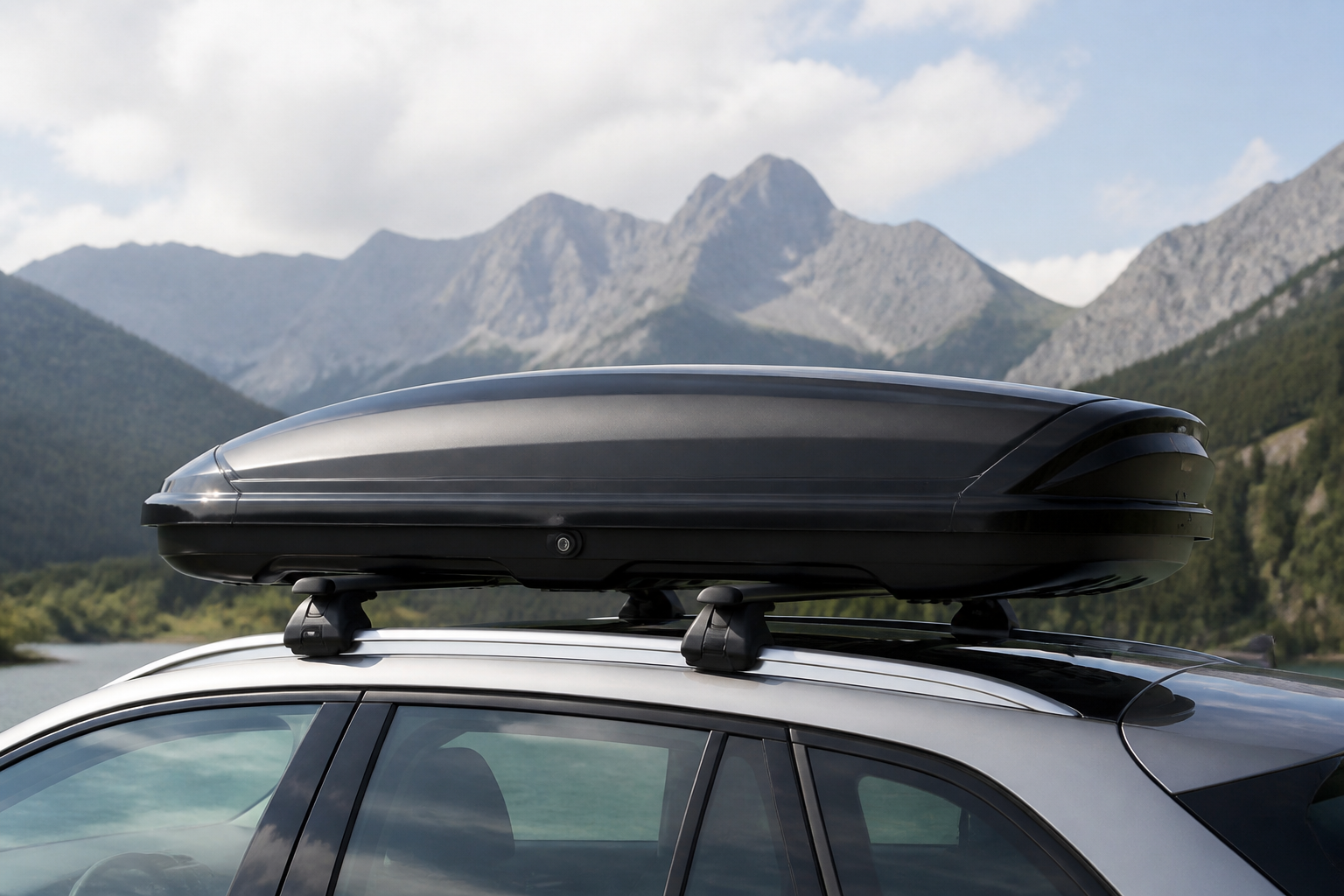
Follow Mercedes-Benz guidance for roof box usage: use only Mercedes-approved roof boxes and carriers compatible with your vehicle, ensure the combined load stays within the vehicle’s roof-load limit, and load and position the box with balanced weight using properly tested racks. Refer to the installation instructions and operator manuals for your model for precise limits and procedures.
Key takeaways
- Only Mercedes-approved roof boxes and carriers should be used with Mercedes-Benz vehicles.Compatibility depends on the specific rack/rail configuration.
- Know the maximum load: the box’s rated load plus carrier/roof limits must not exceed the vehicle’s permitted roof load.
- Use correct load positioning and tested racks; avoid mixing non-tested hardware.
- Refer to official Mercedes sources for precise numbers and installation steps (Rock solid guidance from the Mercedes-Benz media bank and Operator Manuals).
Choosing a Mercedes-Benz roof box that is fully compatible with your vehicle starts with confirming Mercedes-approved carriers and roof racks. The roof box and carrier system must be compatible with the vehicle’s rails or roof configuration to stay within Mercedes-Benz safety guidance. This article expands on official installation guidance to offer a practical, owner-focused checklist for safe use, including compatibility, maximum load calculations, weight distribution, and real-world handling considerations.
Key compatibility: Mercedes-approved options
Mercedes-Benz emphasizes using only roof boxes and carriers that are approved for Mercedes‑Benz vehicles. Official installation guidance highlights compatibility with Mercedes-approved basic carrier systems or rails configurations, and warns against unverified or mixed hardware that is not explicitly approved for a given model. Owners should verify model-specific compatibility through official Mercedes-Benz pages or authorized centers before purchasing a roof box or carrier. Where available, consult the Mercedes media bank installation guidance for compatibility details and safety warnings:
- Roof box — Installation instructions (A0008400500 / A0008400600)
- Standard/basic carrier rack third cross-bar
Practical takeaway: start with the vehicle’s approved roof system and then select a box that is explicitly listed as compatible with that system. If you are unsure, contact an authorized Mercedes-Benz Center for confirmation before purchase or installation.
Maximum load: how the box and the roof combine
Load limits are defined by two interacting factors: the roof box’s own maximum load rating and the vehicle roof’s structural limits when paired with the chosen carrier. Mercedes-Benz documentation emphasizes that the roof box has its own rated maximum load, which must be combined with the carrier’s load limit and the roof’s structural capacity. Exceeding these limits can adversely affect stability, steering response, and braking, and may compromise the vehicle’s safety systems.
Key points to consider:- The box will have a stated maximum payload (for example, medium vs large sizes). Do not exceed this value unless the entire system—box, carrier, and roof—supports a higher total payload as allowed by Mercedes-Benz specifications for your model.- The carrier system also has a maximum allowable weight, which varies by configuration (rails+cross-bars vs. a third cross-bar setup). The third cross-bar configuration can enable a higher roof-load rating for some roof configurations, so verify the exact figure for your setup.- The vehicle’s own roof-load limit (as specified in the Operator’s Manual) constrains the total weight that can be carried on the roof, including the box, luggage, and any added hardware.
The installation guidance from Mercedes-Benz references that the overall roof loading must not exceed the vehicle’s rating and that the roof box increases exposed surface area and affects the center of gravity. For precise numbers applicable to your vehicle, consult the installation document and your vehicle’s Owner’s Manual. See the official Roof box installation guidance for details: Roof box — Installation instructions.
Weight distribution and placement: safe loading practices
Safe loading depends as much on how you distribute weight as on what you load. The objective is to maintain predictable handling, stable braking, and an even center of gravity. Guidelines to apply:
- Place heavier items toward the center of the box and distribute weight evenly from left to right and front to back to avoid lateral or longitudinal tilting.
- Center the load within the box’s footprint and within the cross-bar span to minimize cantilever effects that could stress the roof rails or box structure.
- Avoid overpacking the box so that items press against the lid or protrude beyond the box edges, which can create aerodynamic disturbances and wind noise at speed.
- Follow the load positioning guidance in the vehicle’s operator manual and the roof luggage rack instructions to ensure compatibility with roof rack testing and certification.
Mercedes-Benz owner materials reinforce using roof racks that have been tested specifically for the vehicle, and they emphasize correct load positioning as part of safe transport. See the CLS Owner’s Manual section on roof-mounted loads for context and guidance: CLS Owner’s Manual.
Practical checklist for safe setup
Translate official guidance into a concise, owner-friendly checklist you can use during shopping, installation, and daily use:
- Verify compatibility: confirm the roof box and carrier configuration are Mercedes-approved for your specific vehicle model and roof system.
- Check combined load: determine both the box’s maximum load and the carrier/roof’s allowable weight, ensuring the sum does not exceed the vehicle’s rated roof load.
- Use only Mercedes-approved cross-bars or rails with the correct third cross-bar configuration if your setup requires it; avoid non-tested configurations and mixed hardware.
- Load the box with even weight distribution and keep the center of gravity within the recommended range for your roof system and box specification.
- Secure all items per the box’s internal securing points and verify the lid lock and any tie-downs are secured before departure.
- Recheck after loading changes or if the vehicle is used for long trips, frequent speed changes, or rough road conditions.
- Periodic inspection: after installation and before long trips, check for movement at the mounts, wear on the rails or clamps, and the condition of the box seals and locks.
- If in doubt, seek assistance from an authorized Mercedes-Benz Center for guidance on installation and load calculations.
Real-world note: the effective usable payload on the roof is a function of the chosen box size, the carrier system, the vehicle roof structure, and the dynamics of driving with an elevated, wind-exposed mass. Small changes in distribution or mounting tightness can alter handling characteristics, so a cautious, stepwise approach is prudent when first using a roof box.
In summary, safe Mercedes-Benz roof box use hinges on selecting Mercedes-approved compatibility, adhering to the stated maximum loads for both box and carrier, ensuring balanced loading, and following the installation and maintenance procedures described by Mercedes-Benz. By treating these steps as a standardized checklist, owners can carry additional gear securely without compromising vehicle safety or performance.