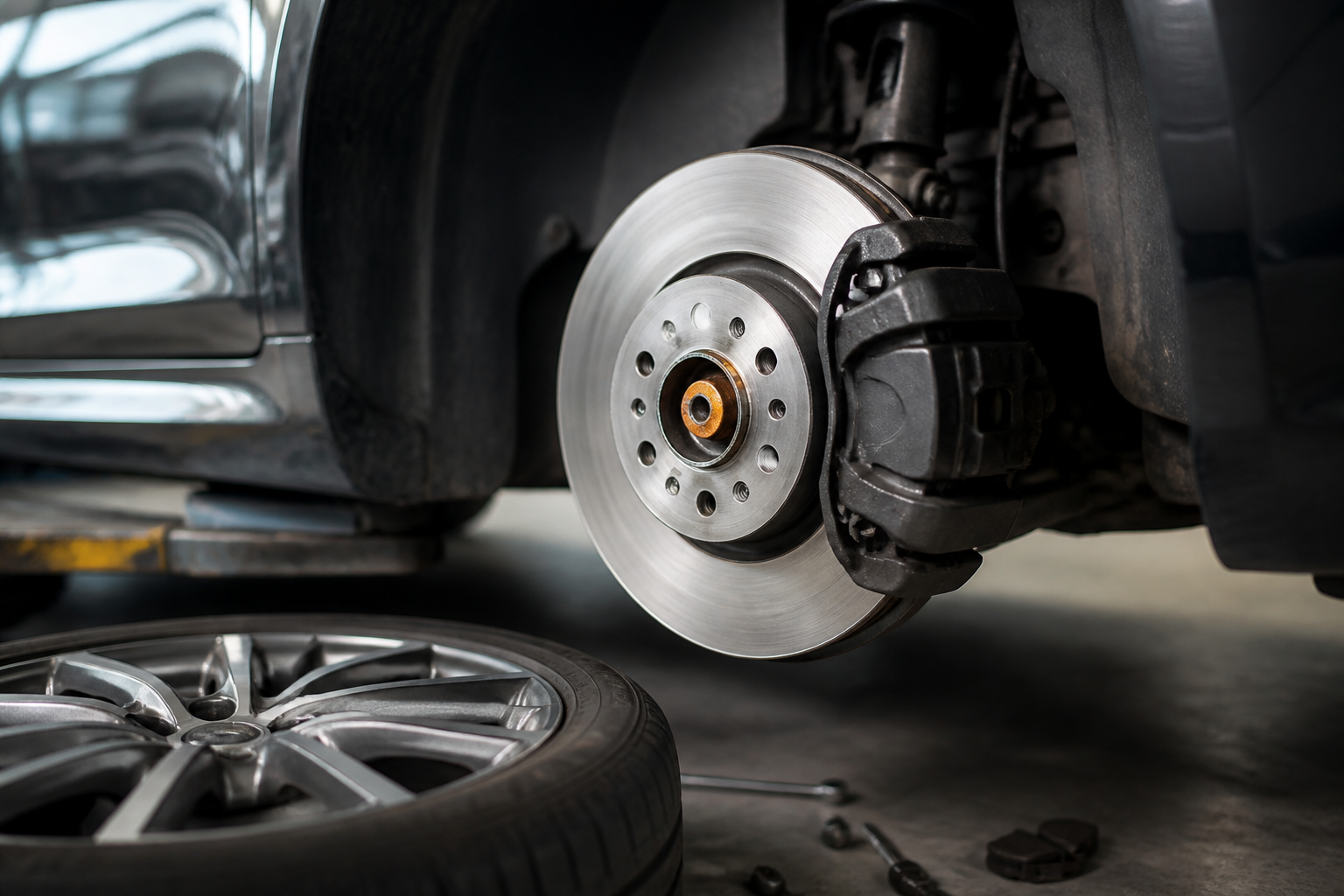
To budget brake-service costs for a Mercedes-Benz, plan around the scheduled Service A/B intervals and expect costs to comprise pads, rotors (if replaced), wear-sensor components, and labor. Wear-sensor replacement is commonly needed when the warning is triggered, and whether the sensor is replaced alone or with pads affects the incremental cost. Model-specific estimates (such as for the A250) show a clear parts-vs-labor split and note that dealer vs. shop pricing can differ. For detailed ranges and scenario-based guidance, refer to the cited wear-sensor discussions and model-specific brake-pad replacement estimates in the source URLs. https://www.go-parts.com/garage/ps-2014-2020-mercedes-benz-sl550-disc-brake-pad-wear-sensor https://www.yourmechanic.com/estimates/mercedes-benz/a250/brake-pads-replacement
Key takeaways
- Plan brake-service budgets around Mercedes-Benz Service A/B intervals.
- Wear-sensor replacement may be required to clear warnings and can affect incremental cost.
- Parts-vs-labor splits are model-specific and vary by dealer vs independent shop.
- Expect variability in pricing; use model-specific references (e.g., A250) for budgeting.
- Check whether wear-sensor work is bundled with pad service or billed separately.
Overview
This guide translates Mercedes-Benz brake-system maintenance into a practical budgeting framework. It connects the cadence of official service intervals with common cost drivers, including brake-pad wear indicators, wear sensors, rotor service, and the labor required to complete a typical brake job. The aim is to help owners forecast ongoing costs without assuming fixed prices, recognizing that parts choices, service packaging, and regional labor rates shape the final bill.
Relating service cadence to maintenance timing and cost exposure
Mercedes-Benz typically ties brake-system inspection and related decisions to its scheduled maintenance visits. During Service A, technicians perform a visual brake-system check, evaluate pad thickness and rotor condition, verify hydraulic fluids and reservoir integrity, and confirm sensor status. Service B expands the inspection scope and commonly triggers a more thorough brake-service assessment, including pad-and-rotor replacement if wear exceeds defined thresholds. It’s important to note that wear indicators are diagnostic cues, not automatic calls for replacement; they signal when a service window is appropriate to inspect, plan for, or execute a brake-pad or rotor replacement.
Costs and timing are influenced by regional practices and the shop model (dealer, authorized service center, or independent shop). Some shops quote wear-sensor replacement as part of a broader brake-service package, while others itemize it separately. This packaging matters for budgeting because it changes how incremental costs are perceived within the same service visit.
Three primary cost drivers: parts, labor, and ancillary items
Brakes involve three main expense categories:
- Parts – brake pads, rotors, and wear-sensor components. The choice between OEM (genuine) parts and aftermarket alternatives can materially affect price and, in some cases, warranty considerations.
- Labor – disassembly, pad/rotor replacement, bed-in procedures for new rotors, and any necessary bleeding or system checks after installation. Labor time increases with rotor replacement, multiple axles, or unusual brake configurations.
- Ancillary items – wear-sensor wiring or retention hardware, lubrication, packaging, and any required reinitialization or programming when sensors are replaced. Some vehicle systems require activation in the control module after sensor replacement, which can introduce additional diagnostic time.
The choice to replace rotors alongside pads is driven by rotor thickness, scoring, warping, and observed runout. If rotors are kept as-is, you typically incur a pad-only replacement with lower parts and labor costs. If rotors are replaced, the labor and parts toll rises, and the potential need for rotor bedding can extend the job duration. Sensor replacement adds another variable: if a sensor is replaced, programming or activation steps may be necessary, depending on model and dealer requirements.
Wear indicators and wear-sensor costs
Brake pad wear indicators are designed to alert drivers when pad material nears the end of its usable life. When a warning is triggered, a technician will inspect the braking system to determine whether a replacement is needed. In most cases, replacing the wear sensor is required to clear the warning after new pads are installed. Sensor costs vary by supplier and design: OEM sensors often carry a premium, while aftermarket sensors can provide cost relief but may carry different warranty or compatibility considerations.
Pricing can differ based on how the sensor is supplied. If a sensor is included in a brake-pad kit, the incremental cost is lower than buying a sensor separately. Some shops list sensor replacement as a separate line item, which can raise the visible total if you are only replacing sensors without pads. Additionally, some sensors require programming or vehicle-activation steps, which may incur a diagnostic fee or software-entry procedure at the dealership or service center.
Model-specific budgeting: what varies by model
Although the underlying logic of wear indicators and sensor-driven maintenance is consistent, Mercedes-Benz models differ in pad thickness, rotor diameter, and caliper hardware. These differences translate into distinct parts pricing and labor requirements. When budgeting, request a transparent parts-and-labor breakdown with a dedicated line item for wear-sensor components. This practice helps you compare dealer versus independent-shop pricing and understand where incremental costs arise over successive service visits.
Dealer pricing typically sits at the higher end, while independent shops may present more variability in labor rates and parts sourcing. Local market conditions and the availability of specific wear-sensor designs (OEM vs aftermarket) can materially affect final quotes. For a given model family, such as a compact sedan versus a larger coupe, expect differences in pad size, rotor mass, and sensor configurations that influence cost guidance.
Practical budgeting tips for Mercedes-Benz owners
- Clarify whether wear-sensor replacement is bundled with pad service or charged separately. Bundled pricing simplifies budgeting but may obscure the exact sensor line item.
- Ask for a parts-vs-labor breakdown, and specifically request a separate line for wear-sensor components to understand incremental costs in the future.
- Obtain model-specific cost context to account for variations across the Mercedes-Benz lineup. Use a reference model (for example, your own vehicle) as a budgeting anchor while recognizing that similar maintenance on a different model may differ in parts and labor requirements.
- Coordinate service visits: if Service A or Service B coincides with a wear-indicator event, consider bundling pad, rotor, and sensor work to minimize repeat visits and associated labor charges.
- Reserve rotor replacement for cases of visible wear, scoring, or warping. Replacing rotors unnecessarily can inflate costs without providing proportional safety or performance benefits.
How to interpret quoted costs
Brake-service estimates typically show parts, labor, and sometimes environmental or disposal fees. If a quote lists brake-pads replacement but omits rotor costs, confirm whether rotors are included or excluded. If wear-sensor costs appear as a separate line item, verify whether the sensor is OEM or aftermarket and whether any required programming or activation is included. Clear questions about these elements help prevent surprises at pickup.
Illustrative guidance: budgeting realities (conceptual, not price guarantees)
Across Mercedes-Benz models, wear-sensor-related increments tend to be modest when performing a stand-alone pad replacement. If rotors are replaced as part of the service, sensor costs may be folded into the broader parts total, but sensor replacement and any required programming can still influence the final bill. When a wear-sensor replacement is bundled within a full brake-service package, pricing dynamics depend on kit composition and whether the sensor is deemed essential to clear warnings after pad installation.
Sources