
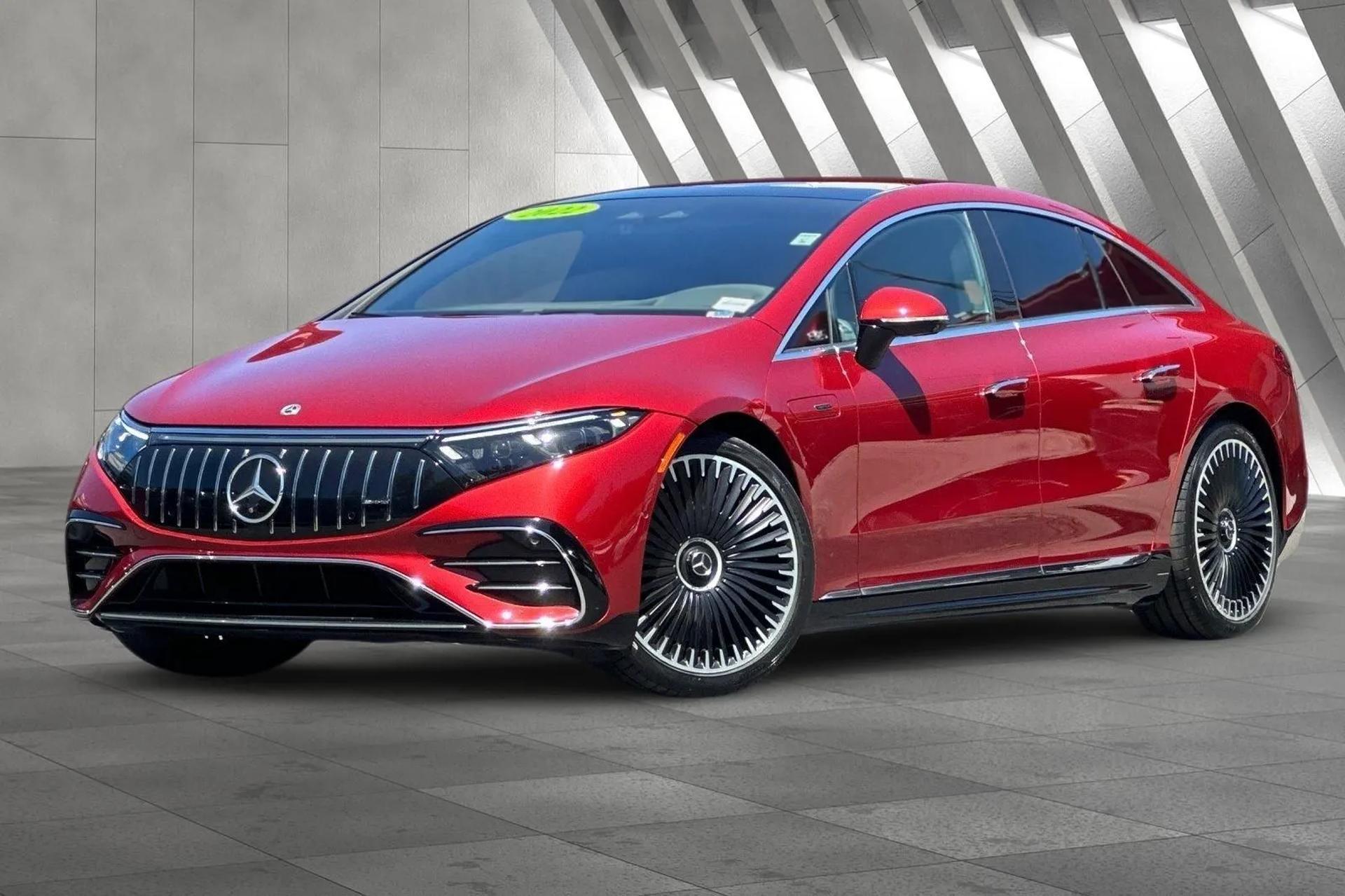
A used electric Mercedes-Benz should be evaluated as both a luxury vehicle and an electric system. Paint, tires, suspension and cabin electronics still matter, but the purchase also depends on battery condition, charging behavior, software status and the written high-voltage warranty tied to the exact model year. The dashboard range estimate alone cannot answer those questions.
Identify the exact vehicle and warranty
Start with the VIN, model year, in-service date and current mileage. Download the correct service and warranty booklet rather than relying on a generic statement from an advertisement. Mercedes-Benz warranty terms can differ by vehicle, powertrain, state and model year. Ask an authorized dealer to confirm remaining coverage from the VIN in writing where possible.
Battery coverage is not the same as a guarantee of like-new range. Read the definitions, exclusions, capacity provisions and claim process. Confirm whether coverage transfers to a subsequent owner and whether any required updates or campaigns are outstanding. The Mercedes-Benz 2023 EQ warranty booklet illustrates why buyers must use the document for the correct vehicle and year.
Ask for a battery-health report
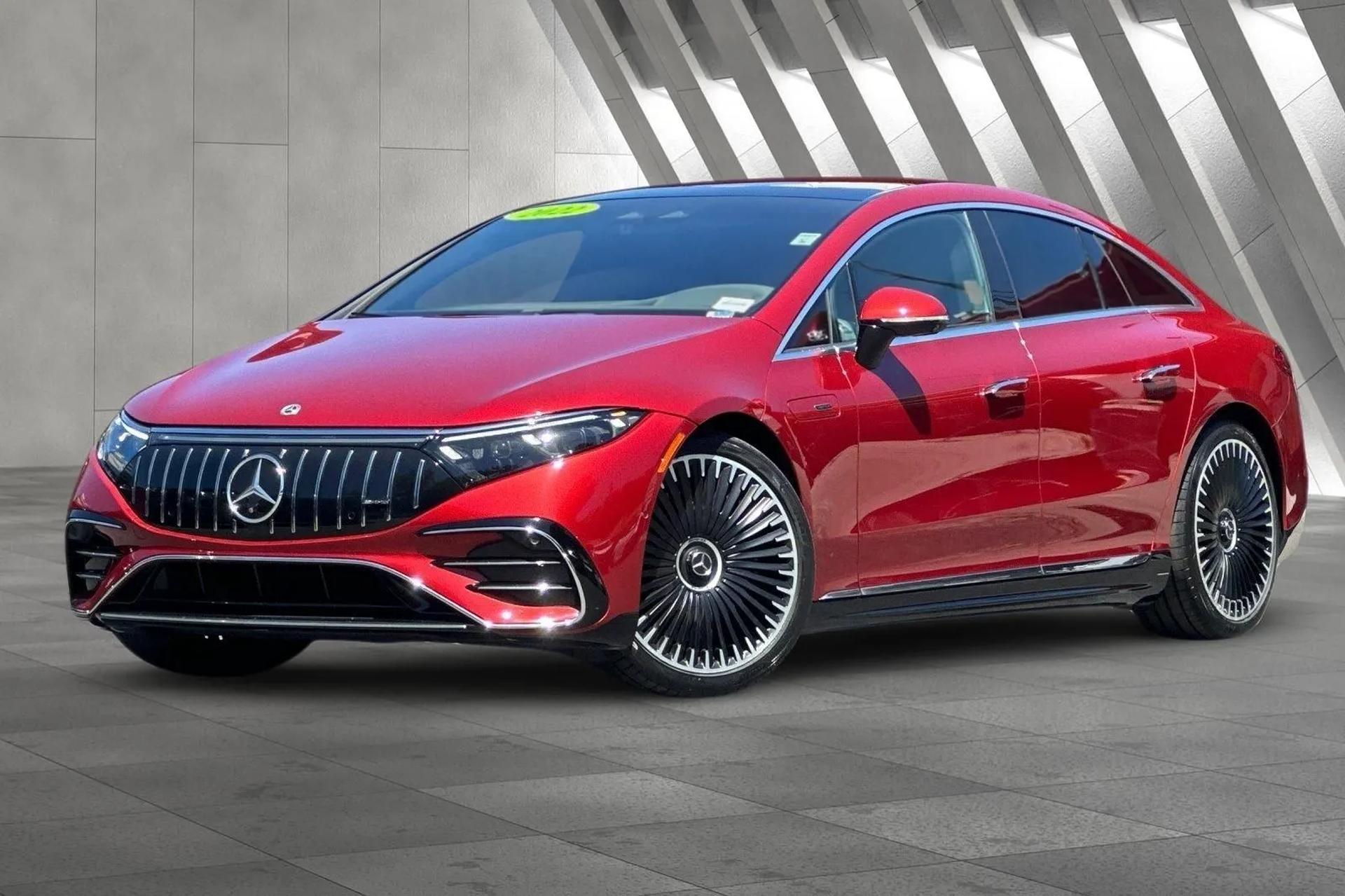
Request a diagnostic report from a Mercedes-Benz specialist or authorized dealer that identifies the VIN, date, mileage and available battery-health information. The terminology and metrics can differ by model, so avoid treating an unsupported phone-app percentage as an official state-of-health certificate. Look for stored high-voltage, thermal-management and charging faults, and ask whether software campaigns are complete.
Battery condition is only one part of the EV system. The inspection should also cover the charging inlet, onboard AC charger, DC fast-charging function where supported, cooling system, 12-volt battery, underbody battery protection and high-voltage cables visible under approved procedures.
Perform two charging tests
| Test | What to observe | Why it matters |
|---|---|---|
| AC charging | Connector lock, session start, stable power, scheduled charging | Tests home-charging workflow and onboard charger |
| DC fast charging | Authentication, session start, warnings and plausible power for conditions | Tests road-trip charging path |
| Post-charge check | No new warnings, unusual noise, odor or leakage | Confirms the system completes and exits the session normally |
Charging power depends on battery temperature, state of charge, charger capability and vehicle limits. A low number in one short session does not prove a defective battery. Begin at a suitable state of charge, document ambient conditions and compare behavior with the correct manual. If the seller refuses any charging demonstration, price the car as an unresolved risk.
Translate displayed range into your use case
EPA explains that cold weather, accessory use and high-speed driving can reduce EV range. The useful question is therefore not “does the screen show the advertised number?” but “can this car complete my longest routine day with a reasonable weather and aging margin?” Record energy consumption during a mixed road test, note climate use and avoid extrapolating from a very short route.
Build scenarios for normal commuting, winter driving and a recurring long trip. Include charging availability at home, work and along the route. If you cannot charge reliably where the car parks overnight, the ownership experience may depend too heavily on public infrastructure. Read our Mercedes home and public charging guide before choosing equipment.
Inspect the ordinary expensive items
EV buyers sometimes focus so heavily on the battery that they miss tires, wheels, air suspension, brakes and body electronics. Heavy vehicles can be sensitive to alignment and tire quality. Check the inner tread shoulders, matching Mercedes-approved specifications where required, wheel damage and brake corrosion from limited friction-brake use. Operate every seat, screen, camera, climate zone and driver-assistance feature.
Inspect the underside only with proper lifting procedures. Look for impact damage or disturbed fasteners around protective panels; do not touch or dismantle high-voltage components. Any suspected battery enclosure damage requires qualified assessment, not a cosmetic opinion.
Check recalls, history and ownership transfer
Enter the VIN at NHTSA and confirm completion of open safety recalls. Obtain service records and a history report, while remembering that neither replaces an inspection. Confirm that both keys, charging cables and adapters included in the advertisement are physically present.
Before delivery, verify how the previous owner’s account is removed and how the vehicle is added to yours. Check whether connected services, charging benefits or subscriptions transfer. Resetting profiles too early can remove evidence or create inconvenience, so complete this step as part of a documented handover.
Calculate ownership cost honestly
Compare insurance quotes, electricity at your actual tariff, public-charging costs, registration, tire replacement and financing. Do not assume every EV mile is charged at the cheapest overnight rate. The U.S. Department of Energy’s Vehicle Cost Calculator lets buyers adjust driving and energy assumptions. Our Mercedes electric ownership-cost guide adds luxury-car expenses often missed in fuel-only comparisons.
Decision checklist
- Correct VIN, model year, in-service date and warranty booklet verified.
- Battery and full-module diagnostic report reviewed.
- AC and, where applicable, DC charging demonstrated.
- No unresolved recall or unexplained high-voltage warning.
- Underbody, tires, wheels, brakes and suspension inspected.
- Home-charging plan and electrical quote confirmed.
- Keys, cables, adapters and account-transfer process documented.
- Total cost compared with at least one alternative vehicle.
A used electric Mercedes can be excellent value when the battery evidence, warranty, charging routine and vehicle condition all support the price. If any of those pillars is missing, pause the purchase rather than filling the gap with assumptions.
Questions buyers ask
Is displayed range a battery-health test?
No. The estimate reflects recent driving, speed, weather, climate use, route and software logic. It can rise after efficient urban driving and fall after fast highway travel without a sudden battery change. Use diagnostics, charging behavior and a controlled road test; treat displayed range as one observation, not a certificate.
Must a used EV fast-charge at its advertised peak?
No. Peak power is normally available only within particular battery-temperature and state-of-charge conditions, and the charger may limit output. A useful test confirms that the car communicates with the charger, starts and sustains a session without faults, and performs plausibly for the conditions.
Can home charging be arranged after purchase?
Yes, but checking first avoids uncertainty. Confirm parking rights, electrical-panel capacity, cable route, permits and installation price. Apartment or condominium approval can take longer than the vehicle transaction. A written electrician's assessment turns charging from an assumption into a budgeted part of the purchase.
What should happen on delivery day?
Record mileage and charge level, collect keys and cables, photograph included equipment, complete account transfer, and confirm charging from the intended equipment. Retain the advertisement, warranty confirmation, inspection report and purchase documents together for future warranty questions and resale. Ask the seller to document any cable, adapter or portable charger that is not included.
Sources


