
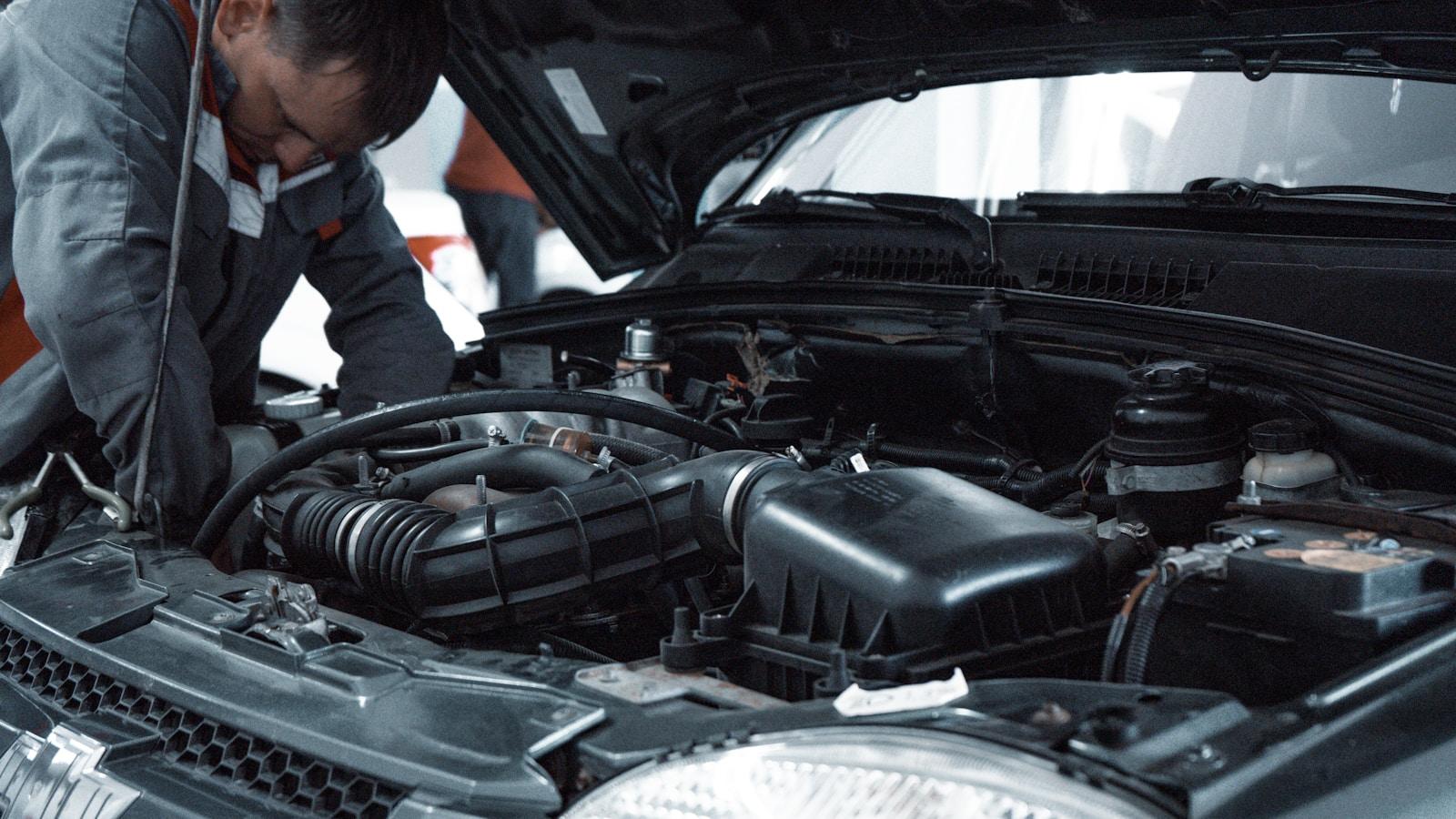
A polished advertisement cannot tell you whether a used Mercedes-Benz has matching tires, stored diagnostic faults, repaired structural damage or overdue maintenance. A useful pre-purchase inspection separates three questions: is the identity and history credible, is the car safe and mechanically sound today, and what will it cost to bring the vehicle to your standard? The objective is not to find a flawless used car. It is to replace uncertainty with a written list of facts and prices.
Before the appointment: collect evidence
Ask for the 17-character VIN, current mileage, title status, service records and a written out-the-door price before traveling. Decode the VIN through the NHTSA VIN Decoder to confirm basic identity and manufacturing information. Then enter the same VIN in the NHTSA recall lookup. A model-level recall search is not enough because campaigns can depend on production dates and configuration.
Review the chronology of mileage and servicing. Long gaps are not automatic proof of neglect, but they require an explanation. Ask for invoices rather than relying only on stamps. Verify that the seller’s name and VIN match the title and that any lien-release documents are available.
The 60-minute sequence
| Time | Area | Goal |
|---|---|---|
| 0–10 minutes | VIN, records, cold start | Confirm identity and observe startup from cold |
| 10–25 minutes | Exterior, glass, tires, underbody | Find repairs, leaks and wear |
| 25–35 minutes | Cabin and electronics | Test every powered and safety-related function |
| 35–50 minutes | Road test | Evaluate engine, transmission, brakes, steering and noise |
| 50–60 minutes | Diagnostic scan and estimate | Convert findings into repair priorities and cost |
Insist on a genuinely cold start
A seller who warms the car before you arrive may hide a slow start, timing noise, smoke or weak 12-volt battery. Before starting, check fluid levels only as directed by the owner’s manual and look below the vehicle for fresh drips. Switch the ignition on and confirm that warning lamps illuminate for their self-test, then go out as expected after starting. A lamp that never illuminates can be as suspicious as one that remains on.
Listen during the first minute, not just after the idle settles. Note fuel smell, exhaust smoke, irregular idle, fan operation and warning messages. Do not diagnose a major failure from one symptom; record it for the independent technician.
Body, glass and tire checks
Inspect the vehicle in daylight when it is clean and dry. Compare paint color and texture across adjacent panels. Look for overspray on rubber seals, uneven panel gaps, tool marks on fasteners and inconsistent date markings on glass. Cosmetic refinishing is common and not necessarily a reason to reject a car, but poor structural repairs or misaligned driver-assistance sensors require professional evaluation. Our guide to front-end and grille clues explains why trim verification and collision inspection should be treated separately.
Record the brand, model, size, load rating, manufacturing date and tread condition of all four tires. Mixed patterns or a large wear difference may affect noise, wet grip and all-wheel-drive behavior. Check the inner shoulder, not only the visible outer tread. Budget for a complete matching set if the tires are aged, damaged or unevenly worn.
Cabin and electronics: test, do not assume
Operate both keys, central locking, every window, mirrors, seats, seat heating or ventilation, climate control, cameras, parking sensors, audio, navigation, USB ports, sunroof and tailgate. Confirm that the instrument display has no persistent messages. Pair a phone and test a call. Driver-assistance functions should be verified against the actual equipment list; a steering-wheel button does not always prove that every related package is present.
Check for water odor, damp carpet, stained headliner and corrosion beneath removable floor panels. Electronic problems after moisture intrusion can be intermittent and expensive. Verify that seat belts retract correctly and that no airbag or restraint warning remains active.
Road test with a repeatable route
Use city speeds, a rough surface, full-lock low-speed turns, steady highway speed and several controlled braking events. Observe shift quality both cold and warm. The car should track straight without constant correction; the steering wheel should sit centered on a level road. Listen for wheel-bearing hum, suspension knocks, wind noise and vibration under acceleration or braking.
Test the climate system at both temperature extremes. Confirm that engine temperature remains stable. After the drive, repeat the leak inspection and note any coolant odor. If you find unexplained coolant loss, use the staged approach described in our cooling-system diagnosis guide rather than approving random part replacement.
Diagnostic scan and independent inspection
A basic code reader is not enough for a modern Mercedes. Ask a specialist to scan all available control modules, record current and stored faults, review readiness monitors and inspect relevant live data. Recently cleared monitors can indicate that codes were erased shortly before the sale, although they do not prove deception on their own.
The FTC recommends an independent mechanical inspection even when a dealer says the car has been certified. Ask for a written report that identifies the vehicle by VIN and divides findings into safety-critical repairs, overdue maintenance, near-term wear and optional cosmetic work. Attach estimated costs. If the seller refuses a reasonable independent inspection, consider another car.
Turn findings into a decision
Add immediate repairs, the next scheduled service, tires, brakes and a contingency reserve to the purchase price. Compare that adjusted figure with cleaner alternatives—not merely with the asking price. Negotiate using the written report, but do not let a discount turn an unsuitable car into the “right” car. A pre-purchase inspection succeeds when it either supports the purchase or prevents an expensive mistake.
Questions buyers ask
Does a clean history report prove the car was never damaged?
No. Reporting can be incomplete or delayed, and some repairs never reach a database. Treat the report as one evidence source. Physical inspection, paint evaluation, alignment checks, underbody inspection and repair invoices can reveal issues that the report does not.
Can the selling dealer perform the inspection?
The seller can provide records and its checklist, but independence matters. Choose a workshop that does not benefit from the sale and regularly diagnoses the Mercedes generation being considered. If the car cannot leave the lot, ask whether a qualified mobile inspector can attend or whether the seller will transport it to your chosen facility.
What diagnostic faults are acceptable?
There is no universal list. Some stored faults may reflect a past low-voltage event; others indicate an active expensive problem. The technician should classify each code, record status and freeze-frame data where available, test the related system and explain whether clearing and rechecking is appropriate. Never accept “old codes” without supporting diagnosis.
How much should I budget after purchase?
Price every known overdue item and the next scheduled service, then keep a contingency suited to the model's age and complexity. The correct reserve is personal. A buyer who cannot tolerate a major surprise may need a newer or warrantied car instead of relying on a small reserve.
Sources


