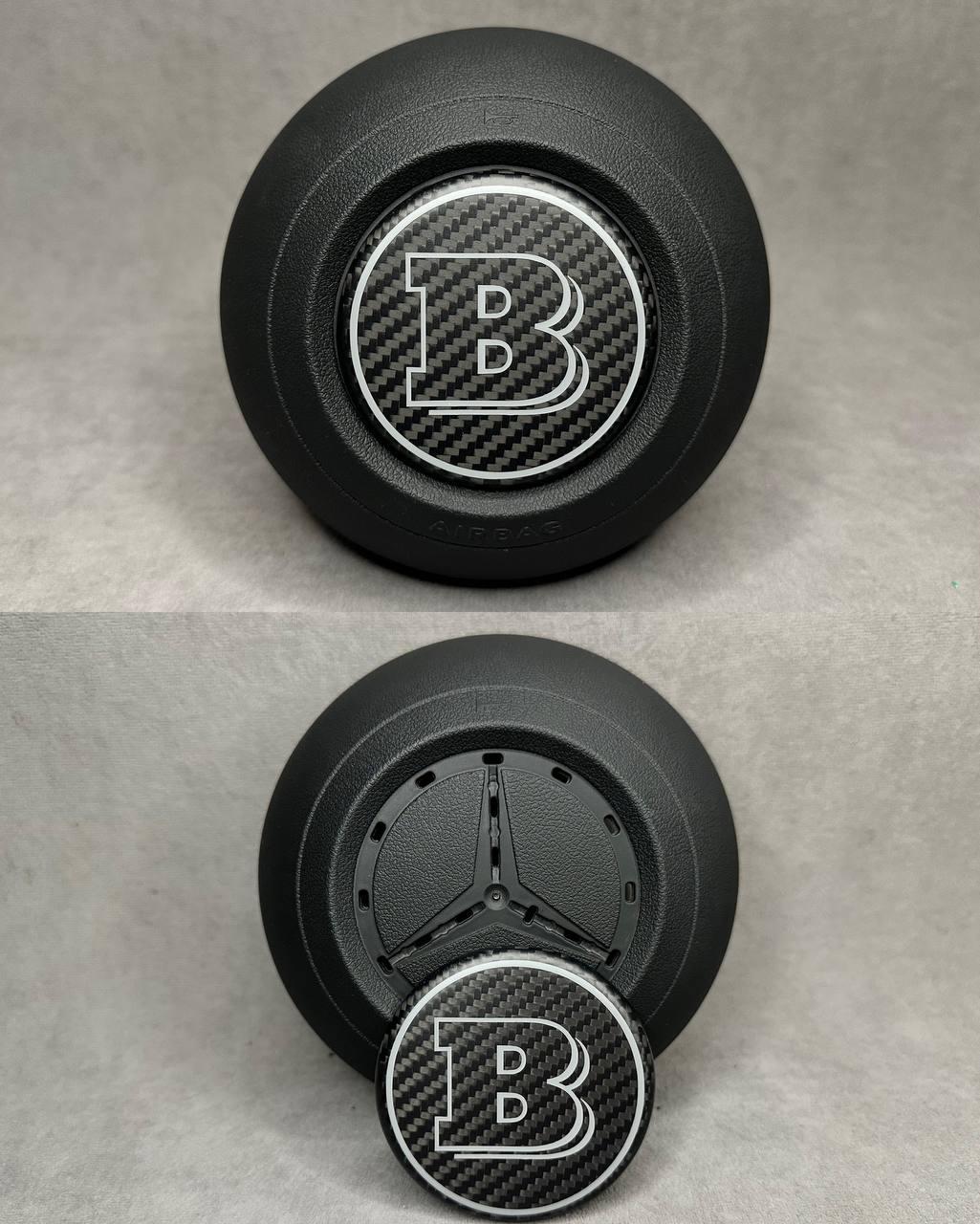
The Brabus Airbag emblems for Mercedes G class w465 s class w223 GT carbon emblems 2024+ is assessed here from an editorial and technical perspective. Instead of repeating a sales description, this guide separates visible styling from the practical questions of compatibility, mounting, material quality and long-term use.
Editorial note: 2027 identifies the review update, not a guaranteed vehicle model year. This article is an independent fitment guide and does not represent a commercial catalogue page.
Brabus Airbag emblems for Mercedes G class w465 s class w223 GT carbon emblems 2024+: overview
The available information identifies this item as a badge or emblem under reference TC-19583. The likely application signals include A 217, AMG, AMG E 63, AMG E63 Facelift, AMG G 63, AMG G 65 and AMG GLC 63. These signals narrow the inspection, but they do not replace confirmation against the vehicle.
Fitment should be established from the vehicle itself: chassis code, production date, option equipment and clear photographs of the mounting area provide stronger evidence than a broad model label.
Fitment and Mercedes-Benz compatibility
Compare the vehicle and component at the same angle. Check overall width, curvature, mounting-hole positions, clips, recesses and the relationship to neighbouring trim. If the vehicle has been repaired or modified, measure both sides because previous work can alter factory reference points.
Record the VIN, chassis code and build date, then identify the exact exterior or interior package. For this item, the relevant application evidence is A 217, AMG, AMG E 63, AMG E63 Facelift, AMG G 63, AMG G 65 and AMG GLC 63. Treat that list as a starting point and investigate any uncertainty before permanent installation.
Material and finish review
The available wording suggests carbon fibre. The available description points to white finish details, which should be compared under neutral light. The useful inspection points are consistent finish, accurate curvature and strong mounting surfaces. Any part that must be pulled into shape during fitting is more likely to develop stress, noise or adhesive failure later.
Inspect the component in diffuse daylight. Look across the surface at a shallow angle for waves, scratches, inconsistent texture or coating defects. On the reverse, check mounting pads and brackets for cracks, incomplete bonding and sharp edges that could mark the vehicle.
Installation analysis
The installation clues indicate adhesive mounting and removal of the original trim. A controlled fitting process reduces avoidable damage: clean the mounting area, check temperature requirements for adhesives, support the component evenly and tighten fasteners progressively. Reinspect alignment before the final fixing step.
Where adhesive is involved, surface preparation and curing conditions are critical. Where screws, bolts or clips are used, confirm the correct fastener length and avoid loading one point more heavily than the others. Electrical versions need protected routing, strain relief and moisture-resistant connections.
Design and practical considerations
An emblem is a small component, yet alignment errors are immediately visible. The base must follow the receiving surface without rocking, while the finish should remain even around lettering and edges. Measure the mounting footprint and check whether the original locating pins, recess or adhesive outline must be retained.
After fitting, inspect the component at several distances and under different light. Confirm even gaps, secure attachment and the absence of vibration. Recheck accessible fixings after initial use, especially where heat, weather or repeated panel movement can change the mounting load.
2027 evaluation checklist
- Match reference TC-19583 with the full product description and photographs.
- Confirm chassis code, build date, body style and factory package.
- Compare mounting geometry before any permanent modification.
- Inspect material, finish, reverse-side brackets and included hardware.
- Protect sensors, wiring, drainage paths and moving panels.
- Use a specialist when drilling, wiring, restraint systems or safety sensors are involved.
Das Motor verdict
Reference TC-19583 is best evaluated as a vehicle-specific component. A successful result depends on evidence: matching geometry, clear material information, complete hardware and an installation plan that preserves factory functions.
The available specification is useful for creating a shortlist, while the final decision should be based on the exact Mercedes-Benz configuration and a physical inspection. This approach keeps the review informational and avoids confusing an editorial assessment with a commercial product page.
Brabus Airbag emblems for Mercedes G class w465 s class w223 GT carbon emblems 2024+ FAQ
Is reference TC-19583 compatible with every Mercedes-Benz version named above?
No. Model labels can cover different production dates, body styles and equipment packages. Verify the receiving surface, chassis code and factory configuration.
What should be checked before installation?
Check geometry, finish, hardware, clearances and the complete mounting method. Test-fit the component and confirm that nearby controls, sensors, panels and safety systems continue to operate normally.
Does the 2027 review date mean the part fits a 2027 vehicle?
No. The date describes the editorial update only. Vehicle compatibility must be established independently from the VIN, chassis code, production date and equipment.
Related Mercedes-Benz product reviews
- Brabus Airbag Classic Grey Review TC-19776 - a related Mercedes-Benz fitment and installation review.
- Brabus Tiffany Emblem in Air Bag Review TC-19592 - a related Mercedes-Benz fitment and installation review.
- Brabus Orange Emblem in Air Bag Review TC-19694 - a related Mercedes-Benz fitment and installation review.
Continue with the Popular Mercedes Products hub for additional independent fitment, material and installation guides.